
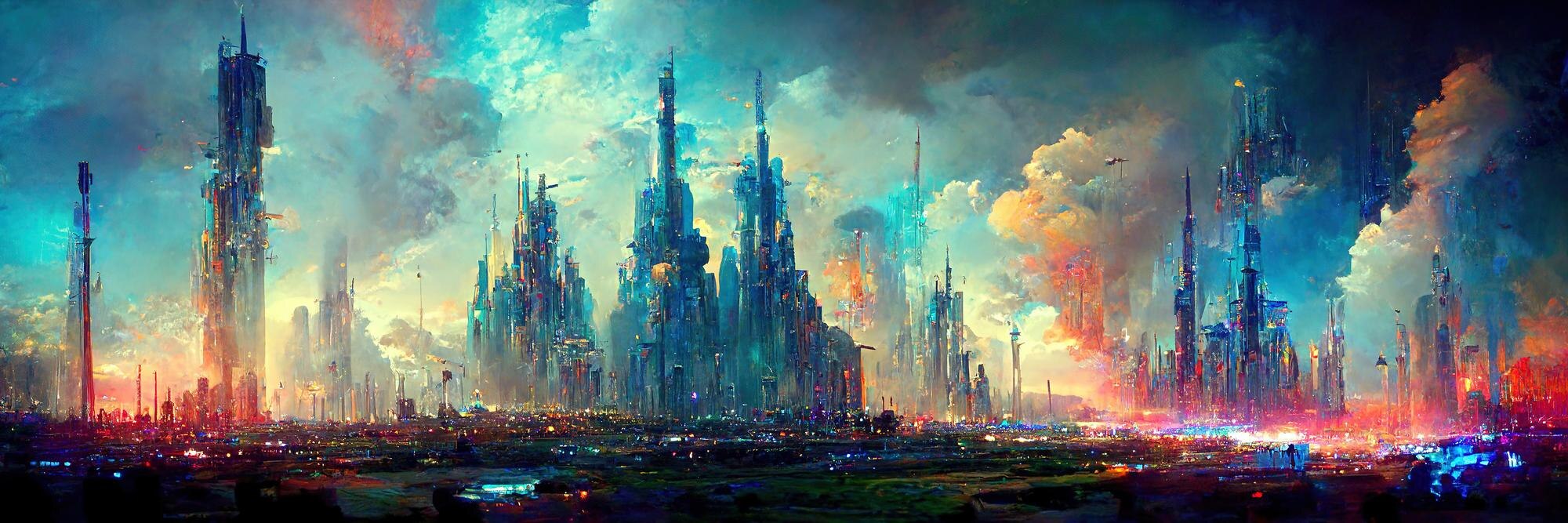
Crafting Worlds Beyond Our Stars: The Art of Detailed World-Building in Science Fiction
Most science fiction worlds feel like empty shells—flat backdrops with little depth. That’s why detailed world-building changes everything. In “Terratron,” Nathaniel Bernadeau crafts a universe where space colonization and terraforming aren’t just ideas, but living, breathing realities. This level of immersive storytelling pulls you inside the struggle and hope of humanity’s future among the stars. Check out more about world-building here.
The Power of World-Building
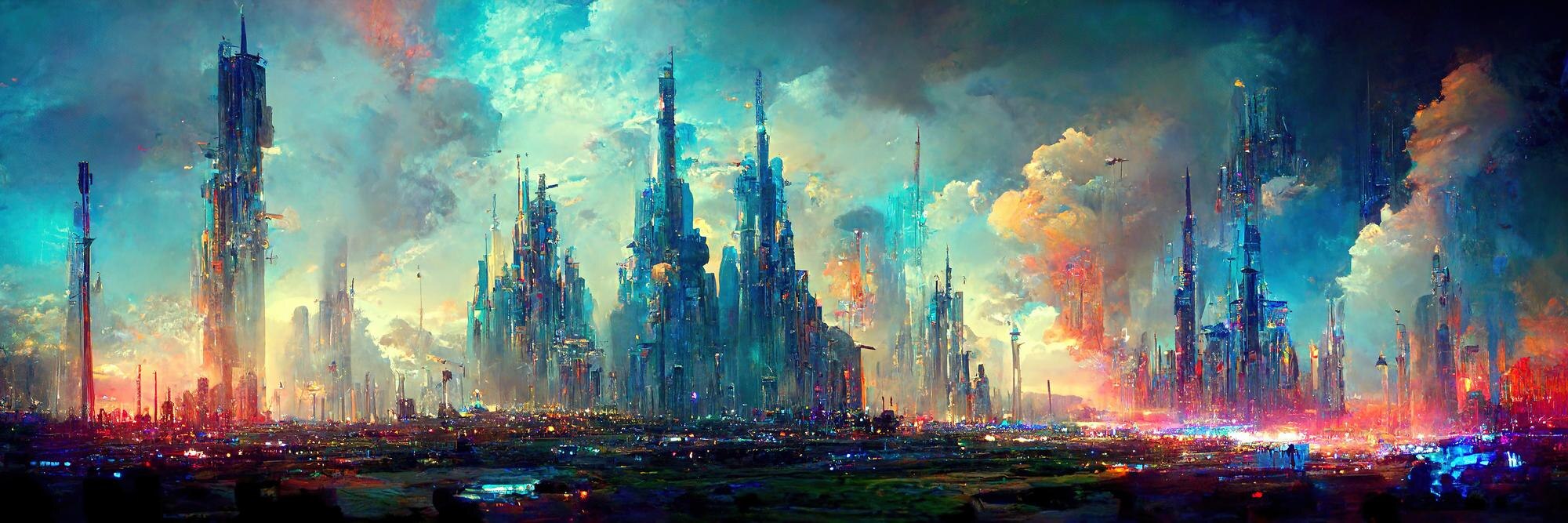
Great stories hook you from the start, and world-building serves as the magnet. Just like in “Terratron,” where the universe feels alive, world-building ensures every element serves the narrative.
Enhancing Immersive Storytelling
Imagine stepping into a world so vivid that you can almost touch it. This is the magic of immersive storytelling. When the setting pulls you in, each scene becomes more than just words on a page. With strong world-building, you, the reader, become part of the journey.
Would you like to know how authors achieve this? They focus on details. It’s not just about describing landscapes but weaving them into the plot. For example, if a planet has two suns, how does that affect daily life? Authors like Nathaniel Bernadeau use these elements to deepen your connection to the story. Curious about diving deeper? Check out these effective world-building techniques.
Creating Believable Universes
Creating believable universes is the cornerstone of good science fiction. It’s not just about the grandeur of space but the small details that make it real. In “Terratron,” the universe feels real because of the effort put into every aspect, from the history of planets to the technology in use.
The key insight? Consistency. Every element must fit within the world’s logic. Consistency helps you suspend disbelief and dive deeper into the story. Want to explore how authors maintain this balance? Discover more here.
Science Fiction’s Expansive Horizons
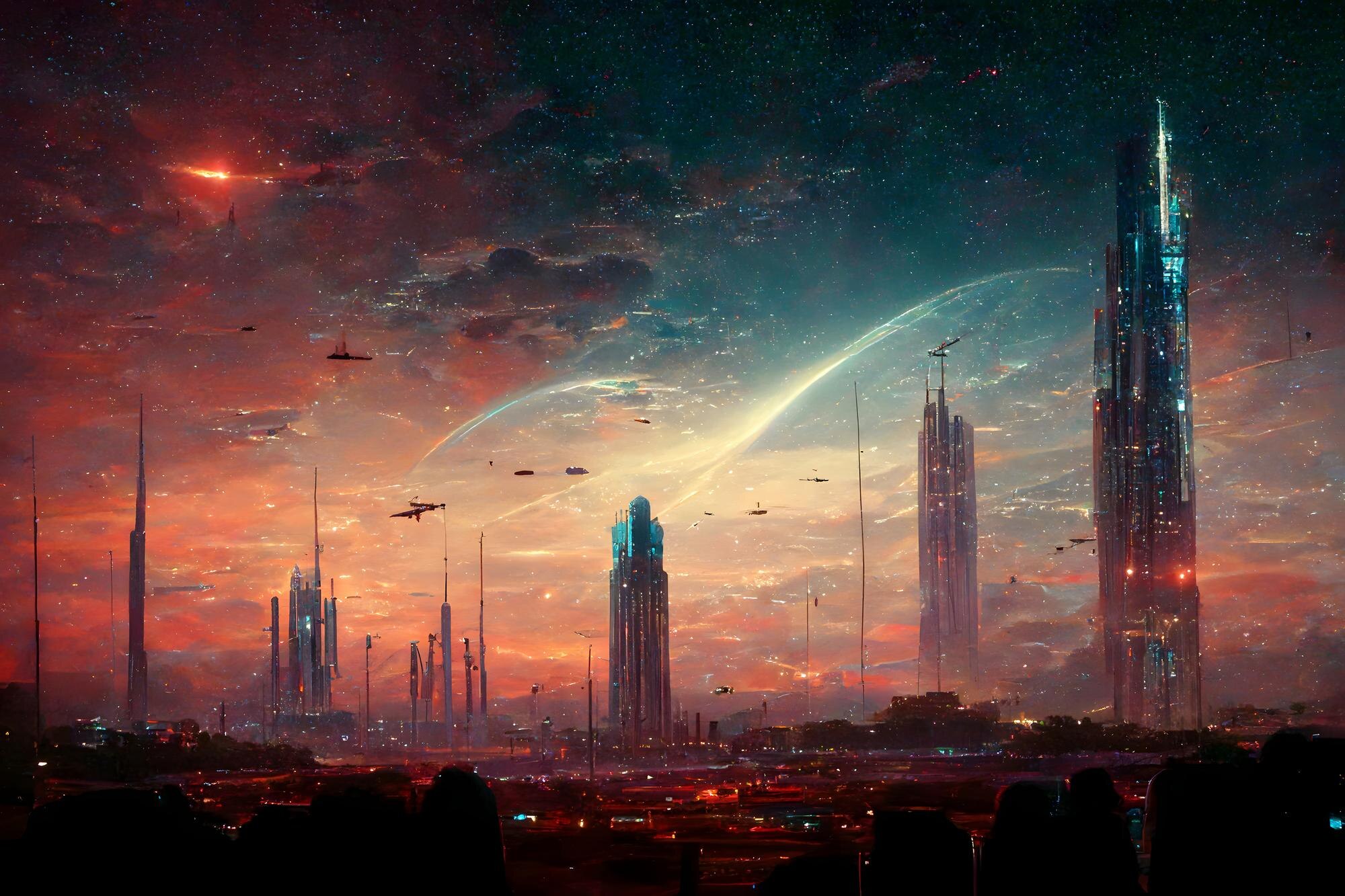
Science fiction opens doors to endless possibilities. It gives us the chance to explore beyond our current realities. And within these vast horizons, two themes stand out: space colonization and terraforming.
Exploring Space Colonization
Space colonization has fascinated people for generations. But how does it translate into engaging storytelling? When authors like Bernadeau tackle this theme, they blend fact with fiction. Real scientific theories meet imaginative scenarios to create a captivating narrative.
Let’s break it down. Science fiction often starts with a problem humanity can’t solve on Earth, pushing us to the stars. This sets the stage for exploring new worlds. Want to get inspired by other stories tackling this theme? Read more here.
The Art of Terraforming
Terraforming is your gateway to imagining new worlds. But why is it so central to science fiction? It reflects the human desire to adapt and thrive. In “Terratron,” terraforming goes beyond mere survival; it symbolizes hope and renewal.
The process involves altering a planet’s environment to support Earth-like life. This sparks countless stories of trial and triumph. Authors detail these efforts, making each step a pivotal plot point. Intrigued by the intricacies of terraforming? Find more fascinating insights here.
Terratron: A Visionary Tale
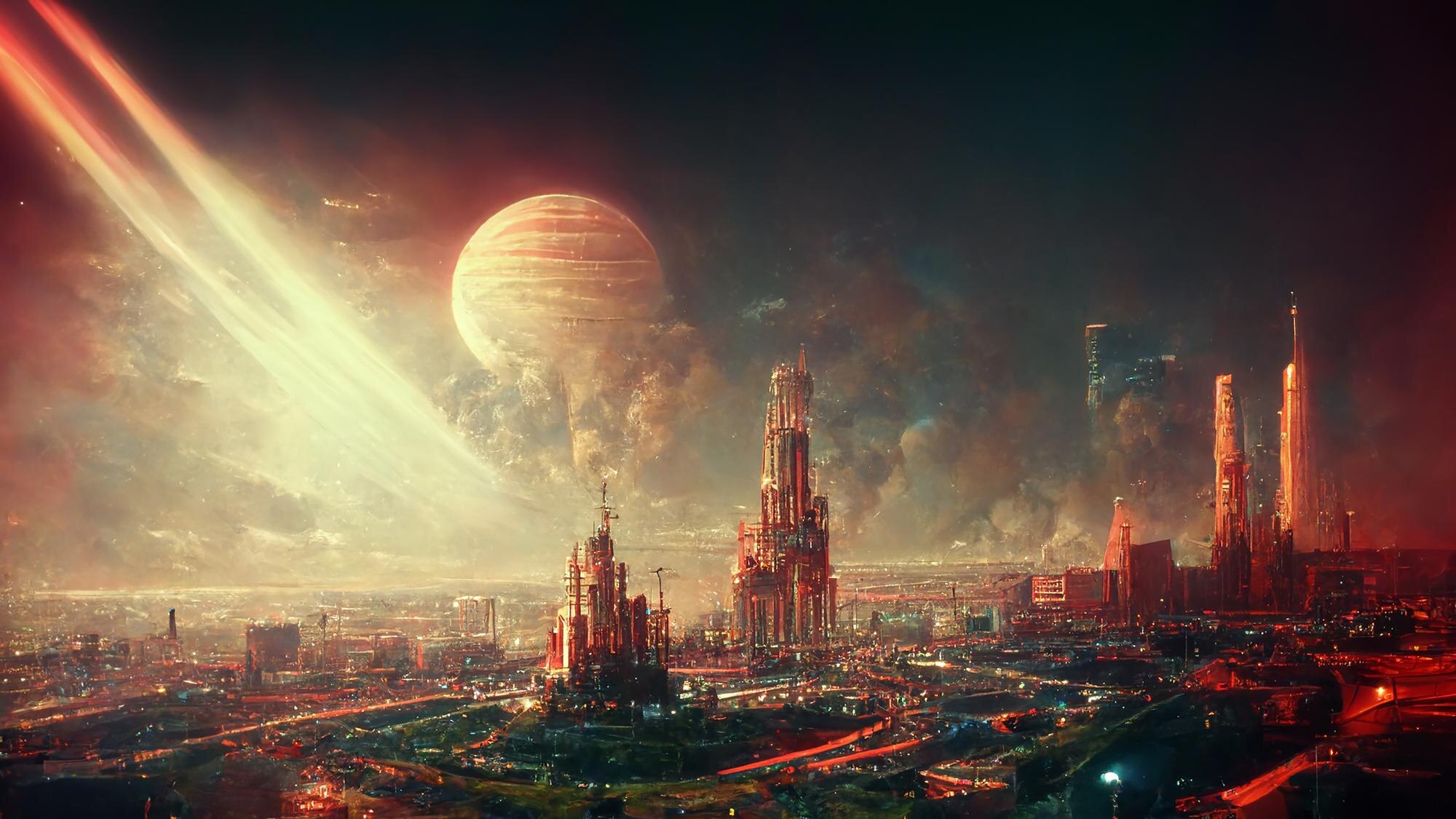
As you explore the vastness of space through fiction, “Terratron” stands as a beacon of detailed and imaginative storytelling. Nathaniel Bernadeau’s work is more than a book; it’s an experience that invites you to dream beyond the stars.
Nathaniel Bernadeau’s Narrative
The narrative prowess of Nathaniel Bernadeau lies in his ability to craft a tale that feels both epic and intimate. In “Terratron,” characters embark on journeys that reflect humanity’s greatest ambitions and deepest fears.
Bernadeau uses rich world-building to anchor the story. Every planet, every decision, feels meticulously planned. This attention to detail keeps you engaged, as though you’re walking alongside the characters. Want to delve into Bernadeau’s narrative techniques? There’s plenty to explore in how he creates such compelling worlds.
Engaging with Futuristic Concepts 🚀
“Terratron” doesn’t just present a story; it challenges you to think. By engaging with futuristic concepts, it encourages you to consider the possibilities of tomorrow. How might we transform barren planets into thriving ecosystems? What ethical dilemmas might arise as a result?
These questions linger, pushing you to ponder long after closing the book. The longer you wait to explore these themes, the more you miss the chance to engage with exciting possibilities. Ready to imagine the future? Let “Terratron” guide your thoughts with its visionary storytelling.
In closing, the power of world-building in science fiction lies in its ability to transport you to realms uncharted. By meticulously crafting these worlds, authors like Nathaniel Bernadeau offer not just stories, but immersive experiences that linger in your imagination.


