
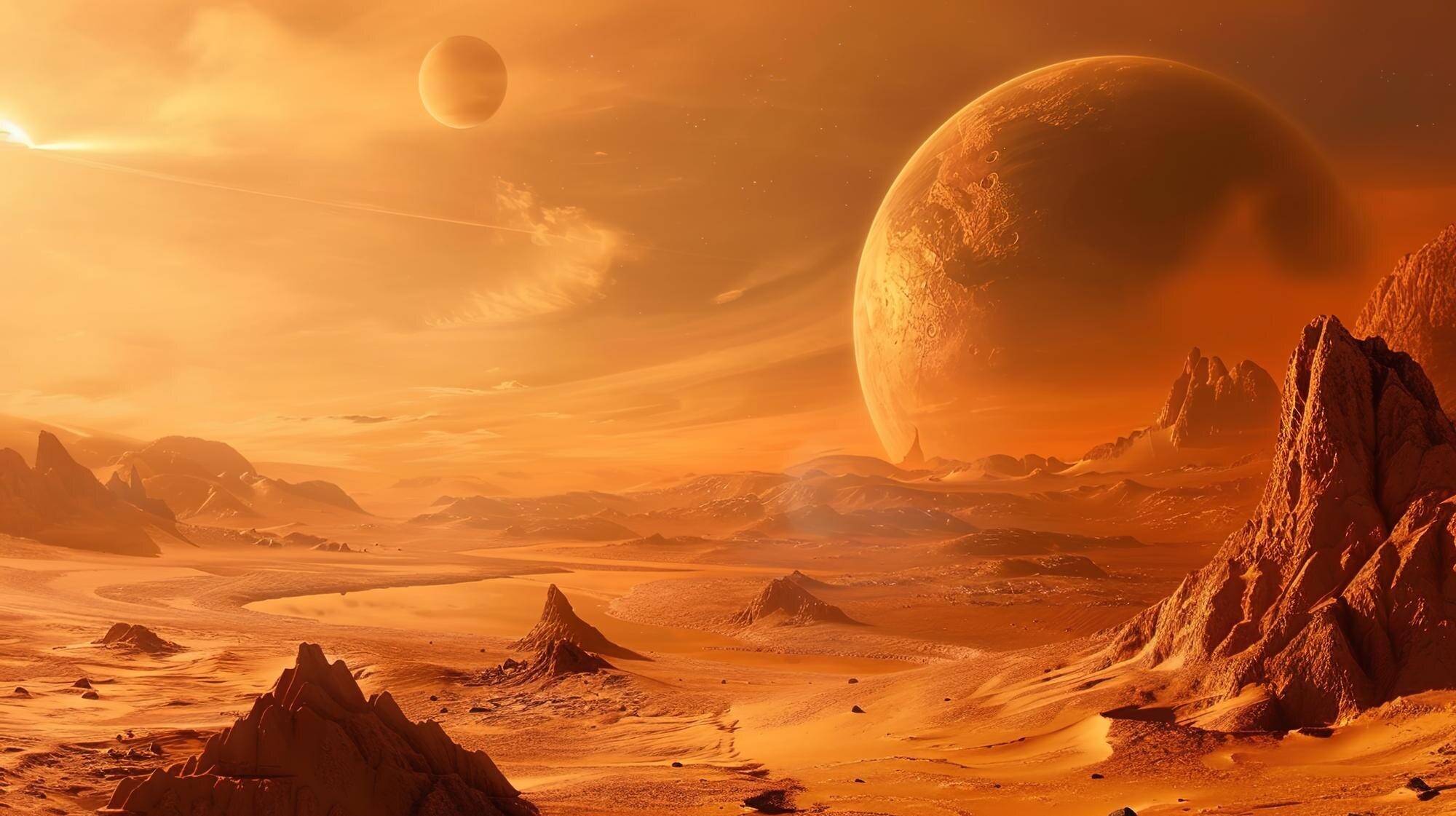
Journey to Mars and Beyond: Unveiling the Science and Fiction of Terraforming Worlds
Forget what you think you know about terraforming. The challenge isn’t just about planting green patches on Mars—it’s about rewriting the fate of humanity itself. In Terratron, Nathaniel Bernadeau blends real science with bold imagination to explore how space colonization could shape our future. Ready to see what lies beyond Mars exploration? Check out this thought-provoking discussion on terraforming possibilities.
The Science of Terraforming
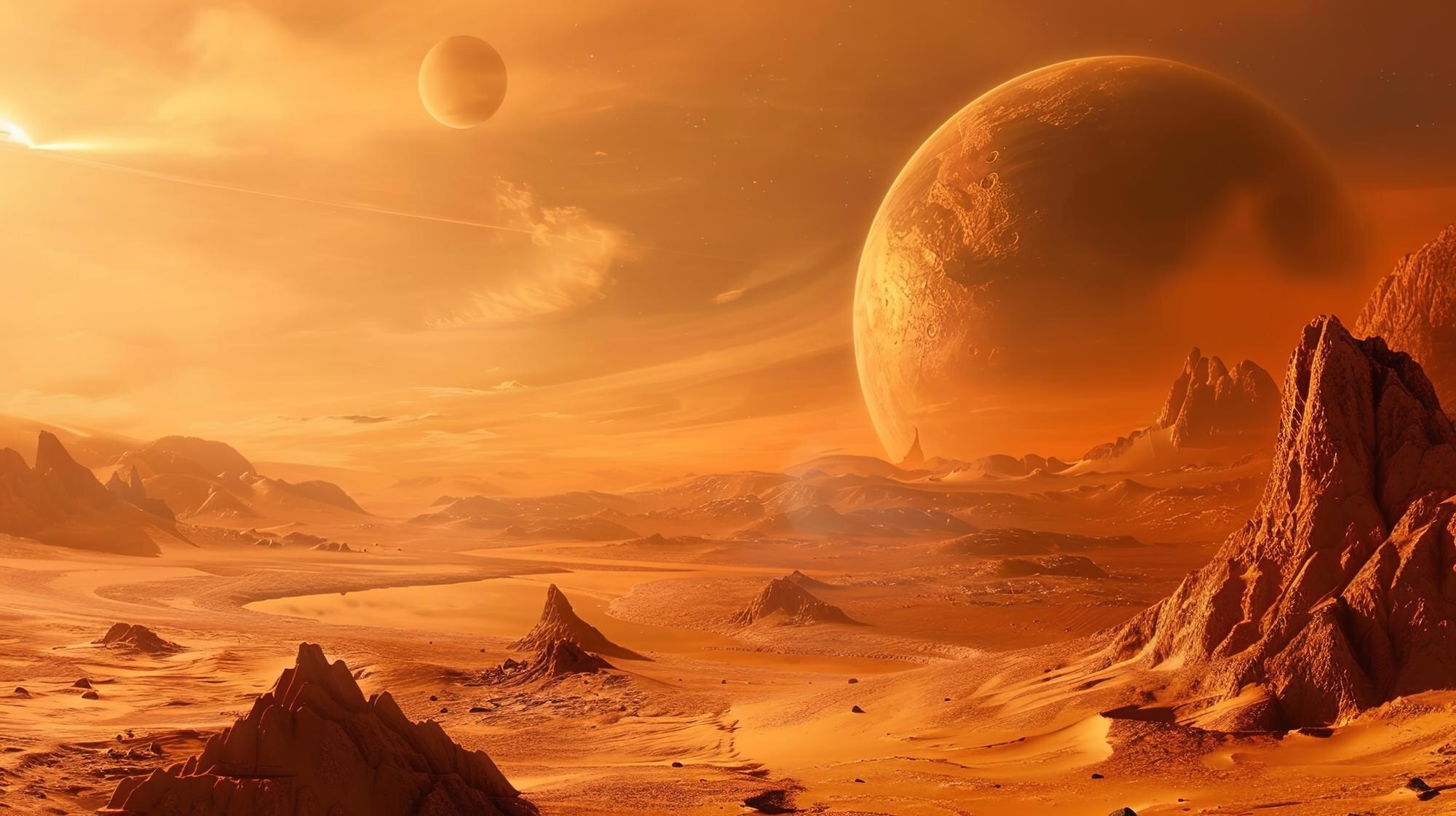
To understand terraforming, we dive into the science that could one day make Mars home. This journey starts with the principles of planetary engineering.
Principles of Planetary Engineering
Imagine changing an entire planet to suit life’s needs. That’s the magic behind terraforming. The concept involves altering a planet’s atmosphere, temperature, and ecology. Scientists believe that by releasing carbon dioxide trapped in Martian rocks, we could thicken its atmosphere. You can explore more on this mind-blowing plan for Mars involving a controlled apocalypse. By doing so, we could create a surface warm enough for liquid water to exist.
But how do we start? The first step might be melting the ice caps at the poles. This would release CO2, creating a greenhouse effect. Then, introducing plants to produce oxygen could follow. Each step requires innovative technology and bold ideas, bringing us closer to making Mars a new Earth.
Challenges of Mars Exploration
Mars isn’t rolling out the welcome mat just yet. Harsh conditions are the first hurdle. Temperatures can plunge below -100 degrees Celsius. Radiation from the sun bombards the surface due to its thin atmosphere. These factors make living on Mars incredibly harsh.
Next, there’s the problem of distance. A trip to Mars takes months. This distance makes it hard to send supplies or rescue missions. Plus, the cost of each mission is astronomical. Despite these challenges, the potential rewards keep scientists pushing forward. The longer we wait, the more time we lose in securing a future beyond Earth.
Role in Space Colonization
Making Mars livable isn’t just a scientific dream. It’s seen as a step towards space colonization. Colonizing space can ensure humanity’s survival if Earth becomes uninhabitable. The idea is to create self-sustaining habitats on other planets, starting with Mars.
The process involves more than just survival; it’s about building a new society. From crafting new laws to creating economies, space colonization is about starting anew. By learning to live on Mars, we pave the way for future generations to explore further into the cosmos.
Fiction Meets Reality
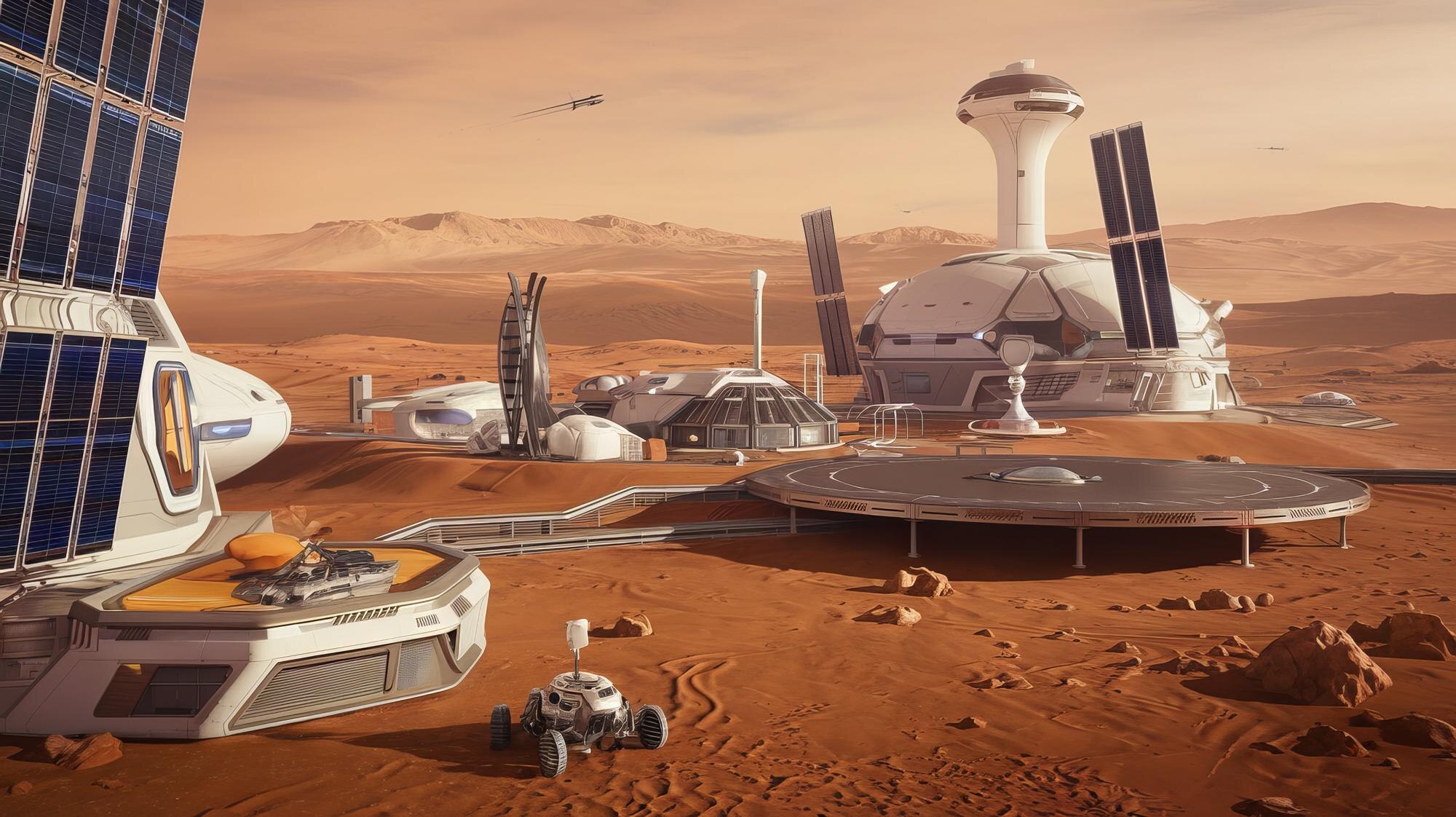
While science provides the tools, fiction fuels the imagination. Nathaniel Bernadeau’s Terratron series invites you to see beyond today’s possibilities.
“Terratron” Series Overview
Terratron isn’t just a story; it’s a vision of our cosmic future. The series kicks off with “Gods of Mars, Vol-1,” where humanity faces a dying Earth. The solution? Terraforming new worlds. The narrative follows explorers like Captain Chris Vega who journey to Mars, seeking new beginnings. This gripping tale is more than fiction. It mirrors real scientific debates about space travel and colonization.
The series immerses readers in detailed world-building, making them rethink what’s possible. It’s a blend of science and storytelling that challenges perceptions and inspires dreams.
Nathaniel Bernadeau’s Vision
Nathaniel Bernadeau doesn’t just write books; he crafts universes. His vision in Terratron goes beyond entertainment. It’s a call to action for those passionate about space. Bernadeau explores themes of survival, innovation, and human spirit. His unique narrative voice offers a fresh perspective within the genre, appealing to readers yearning for new adventures.
Bernadeau’s work resonates with those curious about the future of humanity and technological advancement. He encourages readers to imagine life beyond Earth, to see space as the next frontier.
Inspiring the Future of Humanity
Science fiction has the power to fuel real-world innovation. Terratron inspires readers to look toward the stars. It pushes the boundaries of what we consider possible. Through engaging storytelling, the series shows how fiction can inspire scientific advances.
Most people see science fiction as pure fantasy, but it often predicts real technology. Just as past sci-fi envisioned today’s gadgets, Terratron challenges us to envision a spacefaring future. The series acts as a bridge between what’s real and what’s imagined, fostering a sense of wonder and exploration.
Humanity’s Cosmic Future

Looking beyond Mars, what does the future hold for humanity in space? Let’s explore the possibilities of space colonization.
Possibilities of Space Colonization
Space colonization isn’t just a dream—it’s an evolving reality. Imagine thriving communities on Mars or beyond. The idea is to create environments where humans can live, work, and flourish. These colonies could become stepping stones to even further reaches of space.
The potential is enormous. Colonies could tap into resources found in space, reducing reliance on Earth. They could serve as hubs for scientific research, exploring new medical technologies or materials. Every step in space colonization brings us closer to securing a future for humanity.
Imagining New Worlds
Creating new worlds isn’t just about survival—it’s about imagination. What kind of societies will we build? How will we govern them? These questions open the door to endless possibilities. Science fiction helps us imagine these futures, sparking debates and ideas.
Terratron challenges us to think about these new worlds. It asks us to imagine not just how we survive, but how we thrive. Through the lens of fiction, we explore what it means to be human in a universe full of potential.
Engaging with Science Fiction
Science fiction offers more than escapism—it’s a catalyst for conversation. By engaging with stories like Terratron, you join discussions about the future. These narratives encourage us to dream big and think critically about our place in the cosmos.
Every story is an invitation to journey beyond our current understanding. As we read, we’re not just entertained; we’re inspired to ask “what if?” The longer we wait to engage, the more we miss out on shaping the future. Dive into the world of Terratron and see where your imagination takes you.
Embrace the adventure, explore new horizons, and be part of the conversation shaping tomorrow.


