

Beyond the Horizon: How AI and Robotics are Reshaping Space Colonization
Forget what you think you know about space colonization. The future isn’t just about rockets and brave pioneers—it hinges on AI in space colonization and robotics and terraforming working together like never before. In the Terratron series, these forces shape not only new worlds but the fate of humanity itself. Ready to witness how technology and survival collide beyond the stars?
AI in Space Colonization

As humanity reaches toward the stars, AI takes center stage in this cosmic journey.
Autonomous Exploration and Mapping
Imagine distant planets, completely unknown, now made familiar through AI-driven eyes. Robots equipped with AI can explore vast terrains without human intervention. They gather data, and map landscapes, and send back crucial information. This allows us to plan settlements with precision. Consider the NASA initiatives where machines scout environments, ensuring our safety before humans even arrive.
But there’s more. These machines adapt to new conditions, learning from each interaction. They predict weather patterns, identify resources, and even detect potential hazards. This autonomous capability makes AI indispensable for survival on uncharted worlds. The days of manual exploration are over, replaced by intelligent systems that see and think on our behalf.
Intelligent Systems for Survival
In the harsh realities of space, survival depends on smart systems. AI doesn’t just explore; it protects. Intelligent systems manage life support, regulating air, water, and food supplies. Such precision ensures colonies thrive in environments where resources are scarce. A malfunction can be catastrophic, but AI reduces that risk with predictive maintenance, spotting issues before they arise.
These systems also adapt to human needs, learning from daily interactions. For example, during a power outage, AI can prioritize life support systems above all else, showcasing its ability to make critical decisions in real time. By ensuring our basic needs are met, AI allows us to focus on exploration and discovery, pushing the boundaries of what we know.
Robotics and Terraforming
Robots don’t just explore—they build the very foundations of new worlds.
Building the Foundation of New Worlds
When it comes to creating habitable environments, robots are our builders. They lay the groundwork, constructing habitats and infrastructure. With precision, they transform barren landscapes into potential homes for humanity. Robotics in space exploration has already shown how machines can operate where humans cannot.
Consider the process of terraforming. Robots work tirelessly, altering atmospheres and planting the seeds of life. Their efficiency means faster progress, reducing the time it takes to make a planet livable. They do the heavy lifting, literally and figuratively, ensuring a solid foundation for future generations.
Robotic Assistants in Daily Life
Beyond construction, robots integrate into daily life, assisting colonists in countless ways. Need a hand with farming in a zero-gravity environment? There’s a robot for that. They take on tasks that require precision and patience, freeing human colonists to focus on innovation and community building.
In a space colony, these assistants become companions, adapting to human needs and preferences. They provide insights, suggest improvements, and even learn personal preferences over time. This partnership between human and machine creates a seamless living experience, where robots handle the mundane, and humans explore new possibilities.
Future of Space Exploration
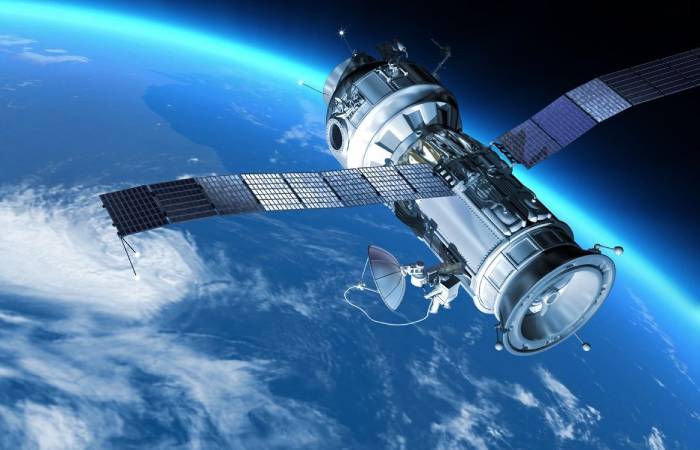
The future isn’t just a dream—it’s unfolding now, with visionary tales leading the way.
The Terratron Series: A Visionary Tale
Enter the world of the Terratron series, where AI and robotics shape the future of space exploration. This series paints a vivid picture of humanity’s journey beyond Earth, blending cutting-edge technology with timeless themes of survival and discovery. As readers, we embark on a thrilling adventure, questioning our role in the cosmos and the ethical dilemmas that arise in uncharted territories.
The series captures the imagination, transporting us to worlds where every decision matters. It’s not just fiction; it’s a glimpse into what could be, challenging us to imagine and inspire real-world innovation.
Nathaniel Bernadeau’s Contributions
Nathaniel Bernadeau, the visionary behind Terratron, offers more than just stories. He provides a lens through which we can view our future. His contributions highlight the potential of AI and robotics as tools for exploration and survival. Bernadeau’s narratives challenge our perceptions, inviting us to explore the ethical and practical implications of our technological pursuits.
Through his work, we are reminded of the stakes involved in colonizing new worlds—balancing progress with responsibility. Bernadeau’s tales aren’t merely entertainment; they serve as a reminder of our potential and the challenges that come with it.
🌌🚀🤖
The journey to the stars is more than just a dream—it’s a testament to human resilience and ingenuity. As we harness the power of AI and robotics, the cosmos awaits, filled with possibilities.


