
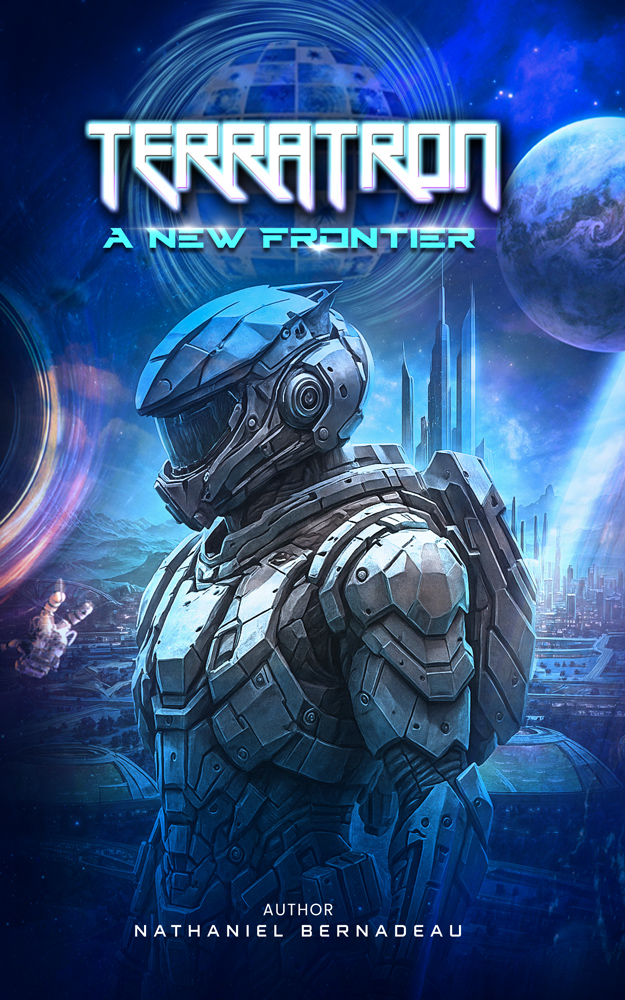
The Weight of Suns: The Psychological Cost of Command in Terratron’s Interstellar Empire
The burden of interstellar empire leadership is heavier than any star’s gravity. Emperor Kenessit, Boris Drexel, Scott Majors, and K.I.C.O. bear wounds no medbay can heal. In Terratron Vol 2, the psychological cost of command threatens to fracture their very souls as they navigate betrayals, impossible choices, and the ruthless politics of a collapsing galaxy. Step inside their minds—and feel the weight of suns on every decision. Learn more about the challenges of maintaining an interstellar empire here.
The Weight of Command
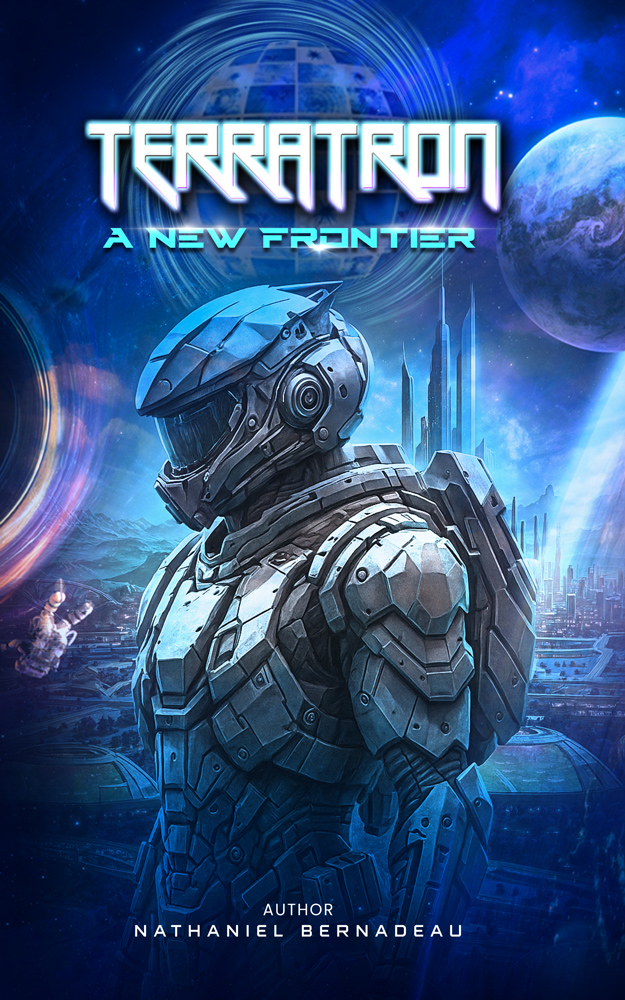
The vastness of the galaxy mirrors the weight of leadership. The more you explore, the more you uncover the challenges faced by those in power.
Emperor Kenessit’s Fragile Throne
Emperor Kenessit stands at the center, grappling with a throne that’s anything but secure. His journey from Mars to distant worlds showcases a ruler’s struggle to hold a fractured empire together. You can sense the tension in each decision he makes. His attempts to unify his people reveal the daunting task of leadership in an expansive galaxy. The burden of ruling isn’t just about power—it’s about maintaining balance.
The emperor’s challenges highlight the personal costs of leadership. As you follow his path, you’ll see how each choice impacts not only the empire but his own psyche. His story is a testament to the strain of command. This insight into Kenessit’s reign prompts you to consider the weight leaders carry daily. Most people think leadership is about authority, but Kenessit shows it’s a battle against inner turmoil.
Boris Drexel’s Political Dilemma
Boris Drexel, the Grand Viceroy, faces political storms. His role demands navigating treacherous waters to maintain control. The politics of the galaxy aren’t just about power—they’re about survival. Every choice Boris makes is a step through a political minefield. His decisions impact countless lives, creating a ripple effect across the empire.
Boris’s plight makes you rethink the nature of political power. It’s not just about making decisions—it’s about the endless consequences those decisions carry. His story challenges the notion that power equals control. Boris reveals the complex layers of galactic politics, where every move has far-reaching implications.
The Mental Toll of Leadership

Leadership in outer space isn’t just about decisions; it’s about the cost to one’s mental health. The toll of command can be seen in every leader’s eyes.
Scott Majors’ Colony Decisions
Scott Majors stands at the frontier, faced with the immense task of establishing a new colony. His decisions shape the future of New Horizon, a fragile settlement orbiting the Antares star system. You can feel the weight of his choices—each one a potential lifeline or a step towards collapse. As alien threats loom, Scott’s resolve becomes a beacon of hope. His story underscores the psychological strain of pioneering in space.
Scott’s journey is a reminder of the resilience required to lead in uncharted territories. His decisions are a delicate balance between survival and progress. The longer you wait to act, the more precarious the situation becomes. His narrative challenges the idea that leadership is about making the right choices. Instead, it’s about navigating uncertainty with courage.
K.I.C.O.’s Ethical Programming
K.I.C.O., the Knights of the Imperial Cosmic Order, face a unique challenge. Their programming demands ethical decision-making in a universe fraught with moral gray areas. The struggle lies in maintaining their code while combating hidden enemies. This tension highlights the ethical dilemmas faced by artificial intelligence in leadership roles. You begin to see how K.I.C.O.’s programming influences every action, making each choice a moral quandary.
K.I.C.O.’s story offers a glimpse into the complex relationship between technology and ethics. Their journey prompts you to question the role of programming in decision-making. It challenges the assumption that machines are devoid of morality. K.I.C.O. proves that in a world of complex ethics, even programmed decisions carry weight.
The Science Behind the Struggle

The challenges faced by these leaders aren’t just about politics or ethics—they’re deeply rooted in scientific dilemmas.
Terraforming Ethics Explored
Terraforming, the ambitious process of altering a planet’s environment, raises significant ethical questions. As you explore its implications, you realize the moral challenges involved. The science behind terraforming isn’t just about transforming planets—it’s about the impact on existing ecosystems. This exploration reveals the ethical considerations at play. The debate over terraforming ethics highlights the complexity of altering worlds.
Most people think of terraforming as a purely scientific endeavor, but it’s a moral one too. The process forces you to consider the balance between progress and preservation. It challenges the notion that scientific advancement is inherently good. Instead, it invites you to weigh the costs against the benefits.
Self-Replicating Robots in Sci-Fi
Self-replicating robots offer a glimpse into the future of technology in space. These machines, capable of reproducing themselves, raise questions about their role in galactic expansion. As you delve into their potential, you begin to see the implications for both humanity and technology. The concept of self-replication challenges traditional views of robotics.
The idea of machines building themselves introduces new ethical considerations. As you explore this concept, you’re forced to rethink the relationship between humans and technology. It challenges the assumption that machines are merely tools. Instead, self-replicating robots become active participants in the future of space exploration. This insight prompts you to consider the broader impact of technological advancements on society.


