

When the Galaxy Breaks, Who Holds the Line? The Psychological Toll of Galactic Leadership in Terratron: A New Frontier Vol-2
Galactic leadership in Terratron is no simple throne—it’s a battlefield of minds and morals. Emperor Kenessit struggles to hold a fracturing empire together while Boris Drexel fights ruthless political wars. Scott Majors races against time to save a failing colony, and K.I.C.O. faces an enemy hidden in the dark void. The psychological toll of leadership in this sprawling space opera will change what you think about power, sacrifice, and survival in the stars. For more insights into leadership and psychological dynamics in science fiction, you can visit this article.
Galactic Leadership’s Burden

The galaxy is teetering on the edge, and leaders like Emperor Kenessit bear the immense burden of holding it together. Their struggles are a testament to the psychological toll of leadership.
Emperor Kenessit’s Struggle for Unity
Emperor Kenessit faces a daunting task: uniting an empire that is crumbling from within. You might think leadership is about making grand speeches, but Kenessit knows it’s about making tough decisions. His empire is not just a collection of planets; it’s a living entity with diverse cultures and interests. Every choice he makes can either forge alliances or ignite rebellions.
Imagine the weight of knowing that a single misstep could lead to chaos. Kenessit’s wisdom and resilience are his greatest tools, but even those can falter under pressure. His struggle is not just against external enemies but against the shadows within his own ranks. This fight for unity is not just political; it’s deeply personal. Kenessit’s journey is a reminder that true leadership demands sacrifice and unwavering resolve.
Boris Drexel’s Political Chessboard
Boris Drexel navigates a complex web of alliances and betrayals. In his world, politics is a chessboard, and one wrong move could spell disaster. Drexel is not only a leader; he’s a strategist who must foresee every possible outcome. His role is crucial in maintaining the delicate balance within the empire.
Most assume political power is about control, but Drexel knows it’s about influence. His days are filled with negotiations and power plays. Each decision tests his loyalty and ethics. The stakes are high, and the pressure is relentless. Drexel’s story is a vivid illustration of the intricate dance of galactic politics and the personal cost it entails.
Scott Majors and the Colony’s Gamble
Scott Majors faces a different challenge: the survival of a distant colony. His mission is to secure resources and ensure the colony’s viability. For Majors, every day is a gamble. The colony’s future hangs by a thread, and he must navigate not only the harsh environment but also the expectations of those he leads.
When you think of space colonization, you might envision grand adventures, but Majors knows it’s about survival. His decisions impact not just the colony but the entire empire. Majors’ journey is a reflection of the resilience needed to thrive in the harshest conditions. His story is a testament to human endurance and the relentless pursuit of a brighter future.
The Weight of Command

As these leaders navigate their challenges, the weight of command grows heavier. Their stories reveal the profound psychological impact of leadership in space.
K.I.C.O.’s Battle with Morality
K.I.C.O. faces an invisible enemy that threatens the very fabric of the empire. The organization is tasked with defending the empire’s values, but the lines between right and wrong often blur. In their battle, they must confront not only external threats but also their own moral compass.
Most see K.I.C.O. as defenders, but they are also philosophers, constantly questioning the ethics of their actions. This struggle is not just about defeating enemies; it’s about preserving what makes the empire worth defending. K.I.C.O.’s battle is a poignant reminder that leadership is as much about morality as it is about strategy.
Psychological Toll of Leadership
Leadership in the galaxy comes at a steep psychological price. The constant pressure and high stakes can take a toll on even the strongest minds. For these leaders, every day is a test of their mental fortitude. They must balance their personal beliefs with the demands of their roles.
The psychological impact is profound, affecting not only their decisions but their relationships and sense of self. This toll is a silent battle that each leader fights daily. Understanding this aspect of leadership provides a new perspective on the sacrifices leaders make for the greater good.
Ethical Dilemmas in Sci-Fi Narratives
The ethical dilemmas faced by these leaders are not just plot devices; they reflect real-world challenges. Sci-fi narratives like Terratron offer a unique lens to explore complex moral issues. These stories challenge you to question assumptions and consider the broader implications of leadership decisions.
By examining these dilemmas, you gain insight into the intricate balance of power and responsibility. These narratives are more than entertainment; they are thought-provoking explorations of what it means to lead in an ever-changing universe.
Future of Humanity in Space
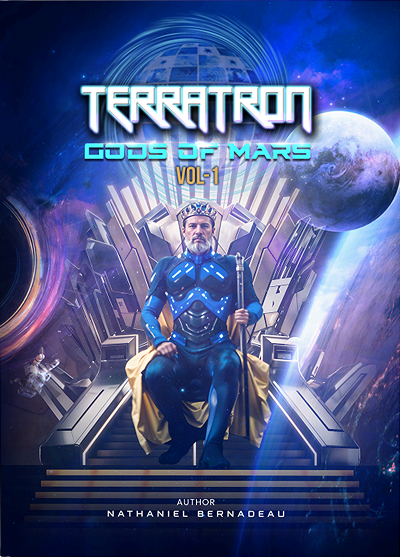
Looking ahead, these stories offer a glimpse into the future of humanity in space. They explore the possibilities and challenges of space colonization and the ethical considerations that come with it.
Space Colonization Fiction’s Impact
Space colonization fiction captivates the imagination, but it also serves as a blueprint for real-world exploration. These stories inspire and inform, shaping public perception of what is possible. They invite you to dream of new worlds and the potential for human expansion beyond Earth.
This genre challenges you to consider the practical and ethical implications of colonizing space. It raises questions about resource allocation, cultural integration, and the sustainability of life beyond our planet. Through these narratives, you explore both the promise and perils of space colonization.
Terraforming Ethics and Science
Terraforming is a central theme in space colonization fiction, offering a fascinating look at the intersection of science and ethics. This concept involves transforming hostile environments into habitable spaces, but it raises profound ethical questions. Is it right to alter entire ecosystems for human benefit?
The science behind terraforming is complex, involving cutting-edge technology and environmental considerations. As you delve into these stories, you gain a deeper understanding of the potential and pitfalls of terraforming. It’s a journey that invites you to ponder humanity’s role as stewards of new worlds.
Hidden Enemy in the Milky Way
The galaxy is vast, and hidden threats lurk in its shadows. Stories like Terratron explore the unknown, revealing enemies that challenge even the most prepared leaders. These narratives are a thrilling reminder that the universe is full of surprises, both wondrous and dangerous.
The hidden enemy is a metaphor for the unexpected challenges leaders face. It underscores the importance of vigilance and adaptability in the face of the unknown. As you follow these stories, you are reminded that the journey into space is as much about discovery as it is about survival.
In conclusion, the characters of Terratron face immense challenges that test their resolve and redefine leadership. Their stories offer valuable insights into the psychological and ethical dimensions of command in a galaxy on the brink. Through their journeys, you are invited to explore the complexities of power, sacrifice, and survival in a universe full of wonders and perils.


