

Terraforming Mars: Unlocking the Secrets of a New Frontier
Forget what you think you know about terraforming Mars. Turning a barren, frozen world into a thriving habitat isn’t just sci-fi fantasy—it’s a puzzle of science, technology, and bold ambition. You’re about to explore the real possibilities and daunting challenges behind space colonization, guided by the gripping vision in Nathaniel Bernadeau’s Terratron series. Ready to see how human survival might depend on rewriting Mars’s destiny? Check out more here.
Scientific Foundations of Terraforming Mars
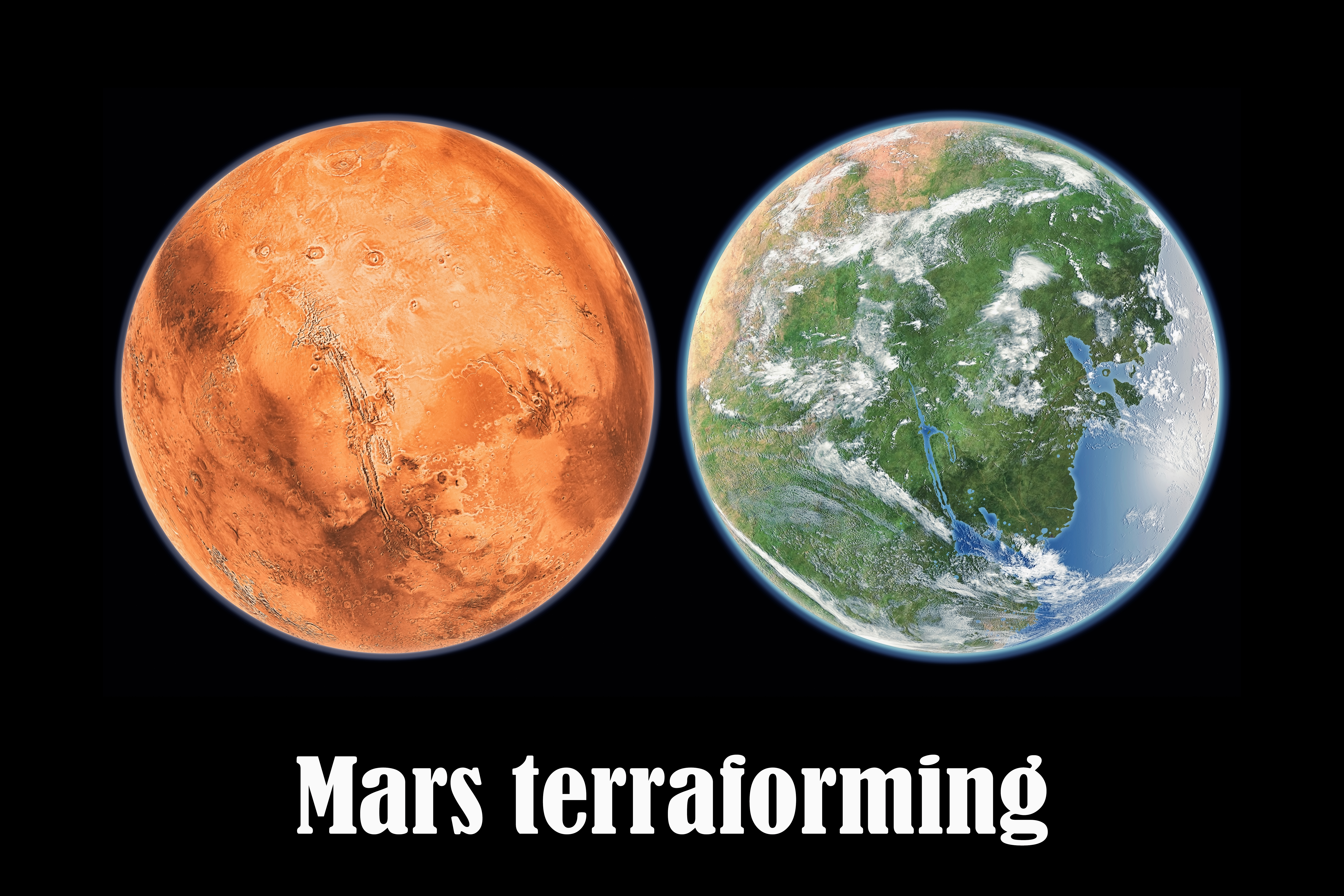
Imagine being on Mars. The red dust, the thin air, the endless sky—it’s an alien world waiting to be transformed. But how do we begin such a colossal task? Dive into the scientific principles that could make Mars a new home.
Understanding Planetary Atmospheres
The atmosphere is key. On Mars, it’s thin and mostly carbon dioxide. To create a livable environment, we need to change this. One idea involves releasing gases trapped in the planet’s surface to thicken the air. A thicker atmosphere could warm Mars, allowing liquid water to flow. This is crucial for life.
Scientists suggest pumping greenhouse gases into the atmosphere. This might sound drastic, but it’s a potential way to warm the planet. According to NASA, current technology isn’t ready for this, but research continues. The goal? A breathable atmosphere and stable temperatures.
Think of the challenges Earth faces with climate change. Now, imagine applying that knowledge to make Mars habitable. It’s a daunting but exciting prospect. As we explore these possibilities, we must remember that every step forward brings us closer to a new frontier.
Harnessing Future Technology
Future tech is the backbone of terraforming. Imagine solar mirrors reflecting sunlight onto Mars to melt the ice caps. This would release water and CO2, thickening the atmosphere. It’s ambitious, but science fiction often inspires real-world innovation.
Self-replicating robots are another fascinating concept. They could build infrastructure, dig for resources, and even manufacture materials. This tech isn’t far-fetched; researchers are developing it now. As these machines evolve, they’ll play a vital role in transforming Mars.
Another technology involves using microbes to produce oxygen. These tiny organisms could convert CO2 into breathable air. While still in the experimental phase, it’s a promising idea that could one day sustain life on Mars.
The longer we wait, the more complex the task becomes. By investing in these technologies now, we pave the way for future generations. Every advancement, every discovery, brings us closer to a new home among the stars.
Challenges of Space Colonization
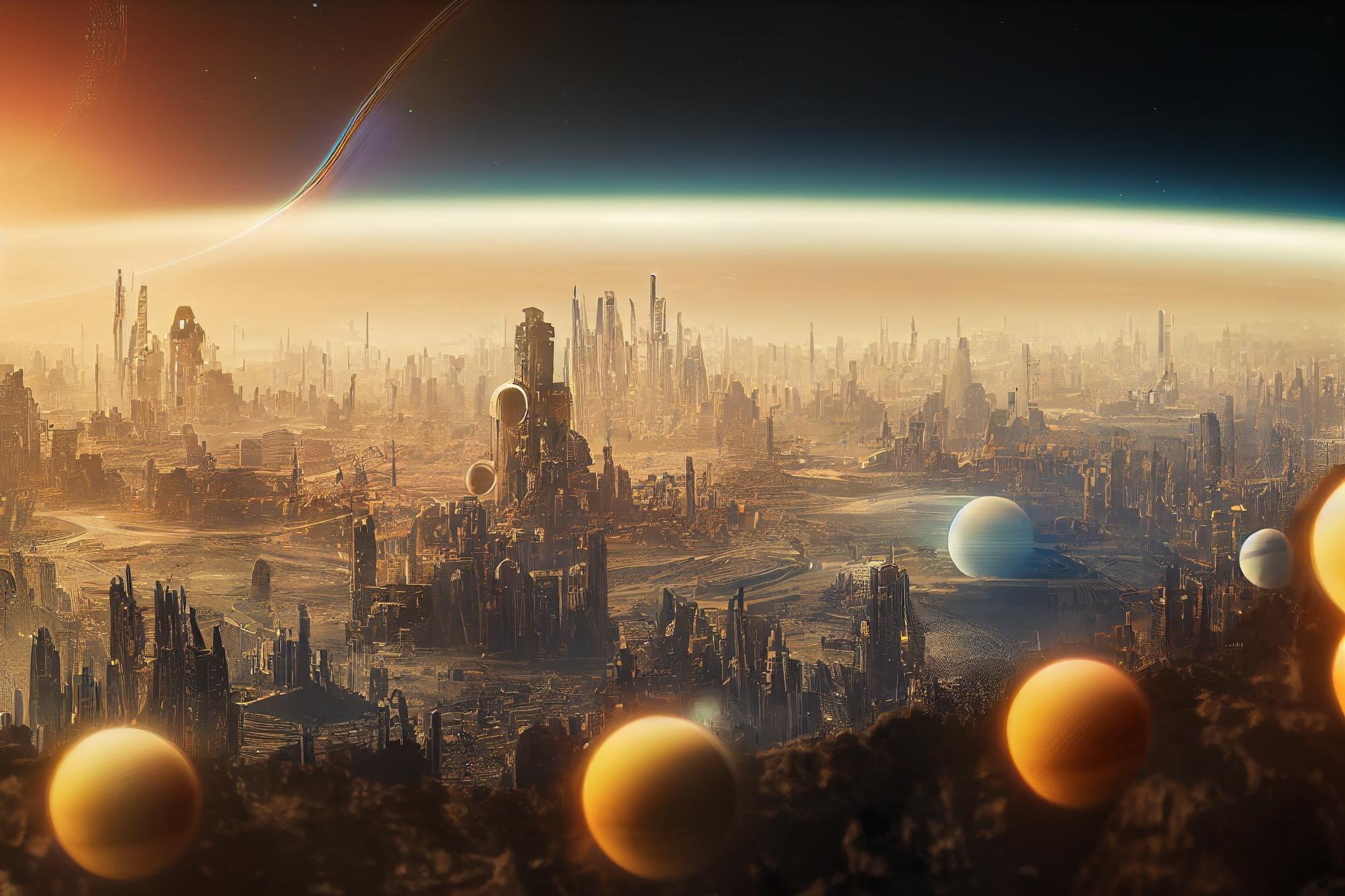
It’s not just science that’s needed. Creating a new home on Mars involves overcoming immense challenges. From extreme weather to resource scarcity, let’s explore the hurdles facing space colonization.
Overcoming Harsh Environments
Mars is harsh. Dust storms can engulf the planet, temperatures plummet, and radiation levels are high. To survive, we must build habitats that protect against these dangers. Engineers are designing structures that can withstand the elements. These habitats will need to be self-sustaining, providing food, water, and air.
Radiation protection is critical. Mars lacks a magnetic field, exposing it to cosmic rays. Innovative materials and technology are needed to shield colonists. Some suggest building underground or using regolith, Mars’s soil, for protection. It’s a frontier that demands ingenuity.
Food and water are other concerns. Growing crops in Martian soil is challenging. Scientists are experimenting with hydroponics and other methods to produce food. Water, trapped in ice, must be extracted and purified. These solutions are essential for long-term survival.
Sustaining Human Survival on Mars
Survival isn’t just about technology. It’s about adapting to a new way of life. Colonists will face isolation, limited resources, and psychological challenges. Creating a community that thrives is as important as building physical structures.
Social dynamics will play a big role. Living in close quarters on a distant planet requires cooperation and understanding. Teams will need to work together, solve problems, and support one another. It’s an experiment in human resilience and adaptability.
Education and training will be vital. Future colonists must be skilled in various fields, from engineering to agriculture. They must be prepared for the unexpected. This is where fiction like Nathaniel Bernadeau’s Terratron series offers inspiration. It explores the human spirit and our ability to overcome adversity.
The dream of living on Mars is within reach. By understanding the challenges and preparing for them, we can make this dream a reality.
The Inspiration Behind ‘Terratron’
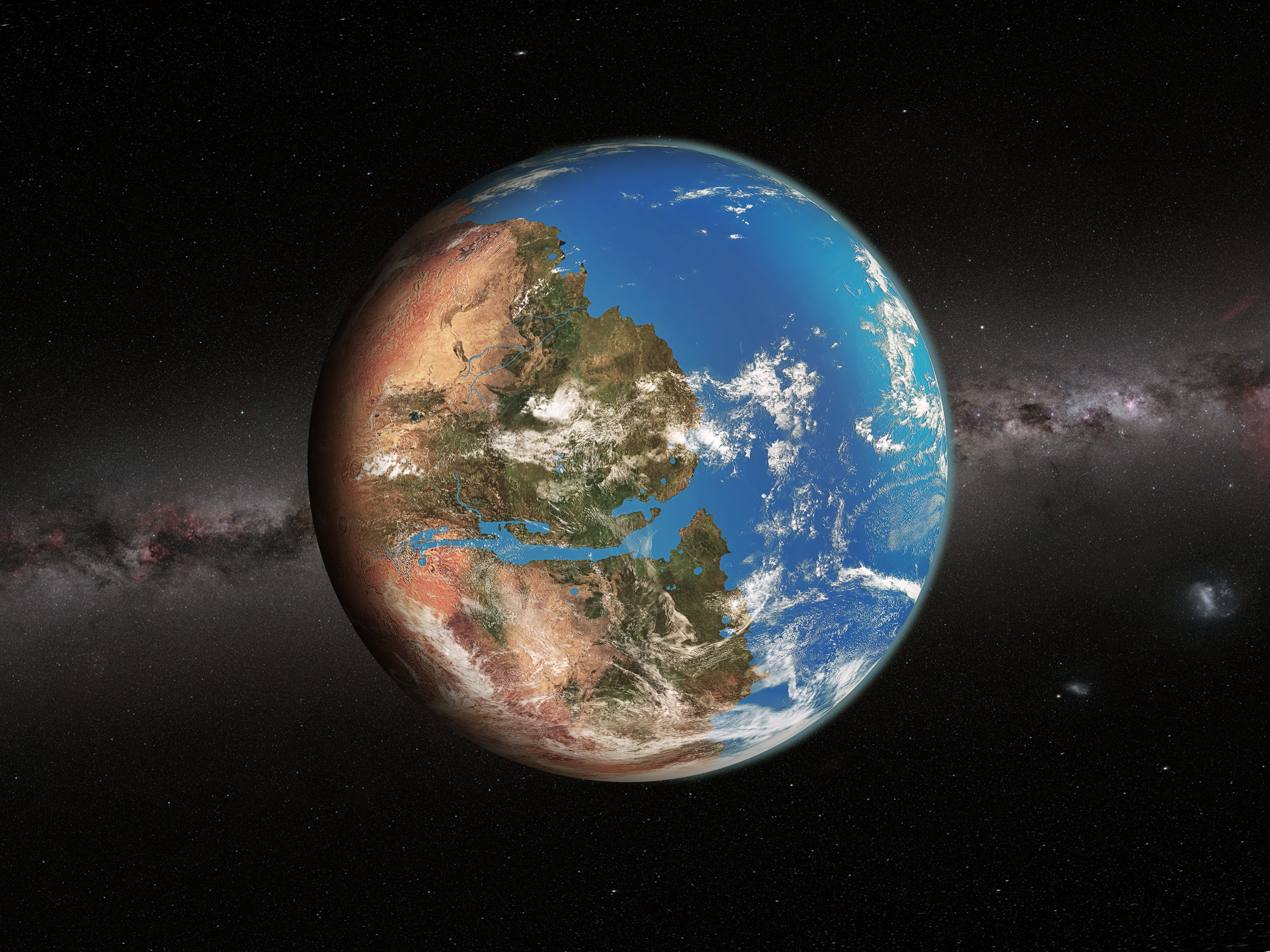
Fiction meets reality. Nathaniel Bernadeau’s Terratron series paints a vivid picture of Mars exploration. But what’s the story behind the story? Let’s delve into the vision that inspired this captivating series.
Nathaniel Bernadeau’s Vision
Nathaniel Bernadeau sees beyond the stars. His Terratron series is more than fiction; it’s a glimpse into possible futures. Inspired by scientific advancements and the spirit of exploration, he weaves tales that challenge our perceptions of what’s possible.
His vision is clear: humanity must become a multi-planet species. Through his characters and narratives, Bernadeau explores the complexities of space colonization. He captures the excitement and the challenges, the dreams and the realities.
Bernadeau’s work resonates with readers because it taps into our innate curiosity. We all wonder what lies beyond our world. His stories encourage us to dream big and embrace the unknown. They’re a call to action for those who dare to imagine a future among the stars.
Exploring Mars Exploration in Fiction
Fiction is a powerful tool. It allows us to explore ideas and push boundaries. In the Terratron series, Mars becomes a character itself. The red planet’s mysteries and potential are brought to life through compelling storytelling.
Bernadeau’s narratives blend science with imagination. They challenge us to think about our future and the role we play in shaping it. Through detailed world-building, he creates a universe that feels real and attainable.
Mars is no longer a distant dream. In Terratron, it’s a canvas for human creativity and ambition. The series invites readers to embark on a journey of discovery, where each page turns new possibilities. It’s an adventure that inspires us to look beyond our current horizons and consider what we can achieve.
🌌🚀🔭
The journey to Mars is filled with challenges and opportunities. As we explore the scientific foundations and fictional inspirations, we find ourselves on the brink of a new era. The future of space colonization is bright, and the Terratron series invites us to imagine it.


