
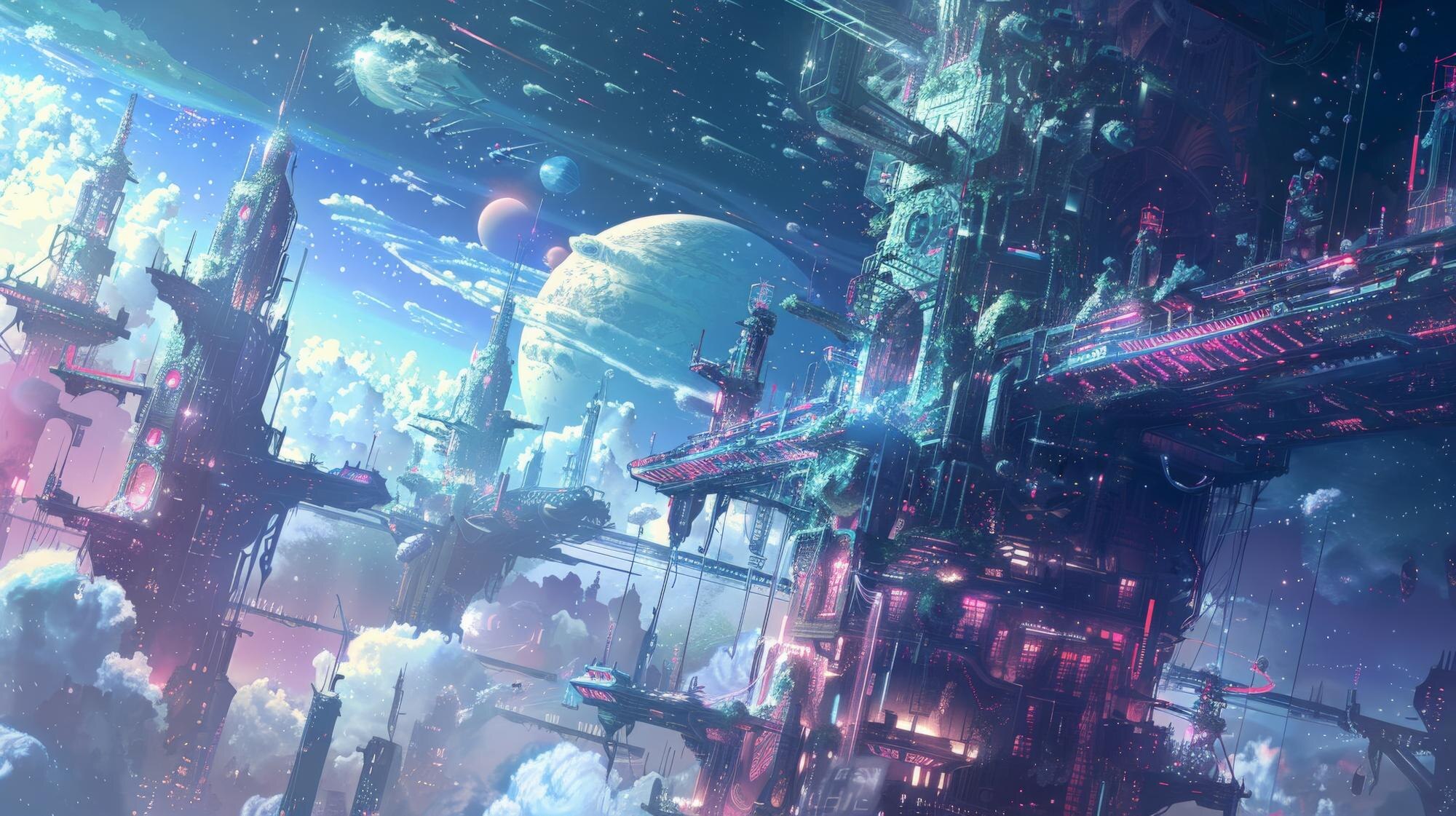
AI and Robotics: Pioneers of Our Galactic Future
Forget everything you think you know about space missions. The future of exploration won’t rely on human bravery alone—it will hinge on artificial intelligence and robotics battling the void. Terratron: A New Frontier Vol-2 reveals how these forces shape survival beyond Earth, where every choice carries the weight of a collapsing galaxy. Ready to meet the heroes who depend on machines to rewrite humanity’s fate?
AI and Robotics in Space
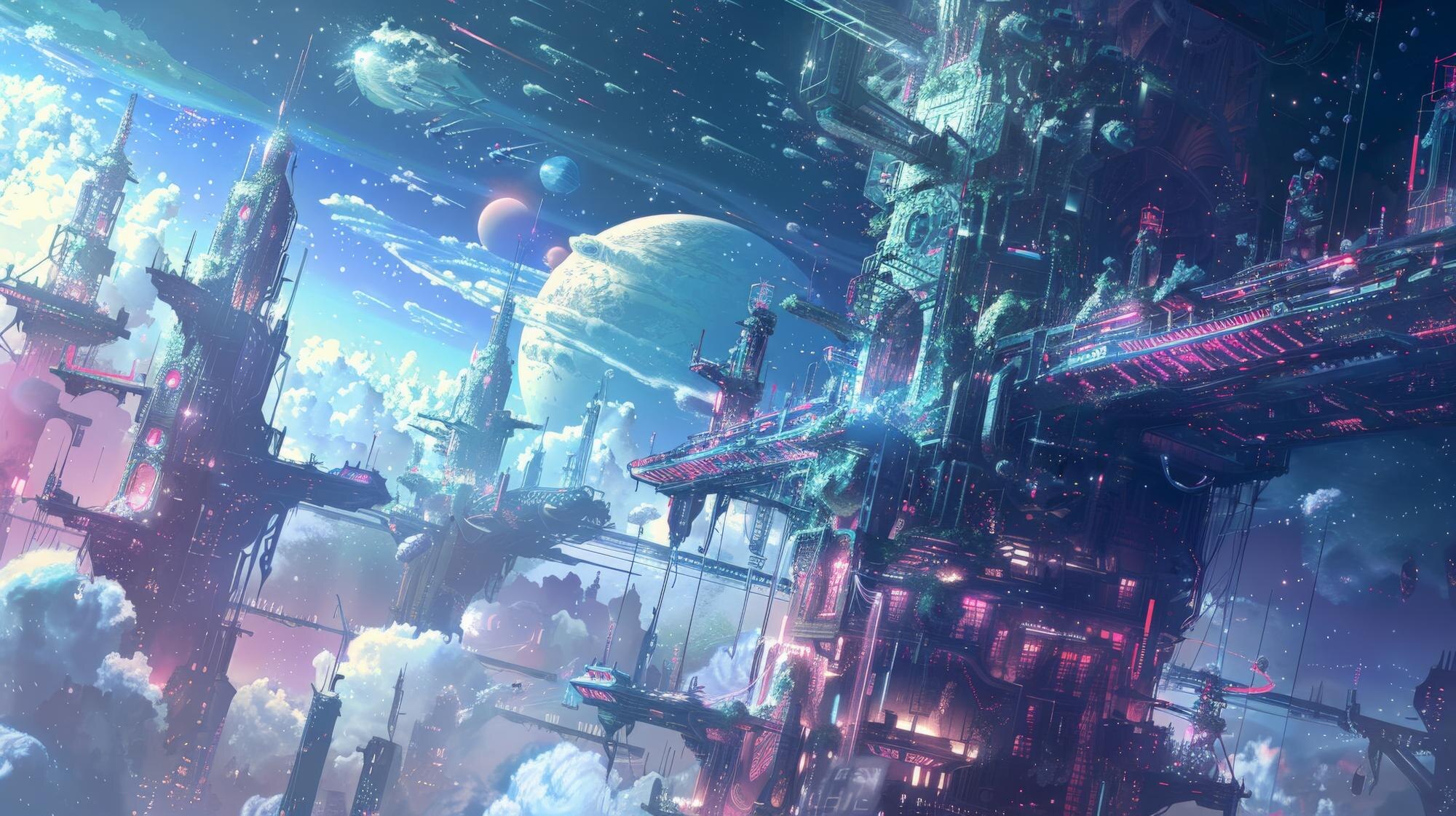
Space exploration is entering a new era, where the combined force of artificial intelligence and robotics is paving the way. The old days of solely human-driven missions are evolving into a partnership between humans and machines.
Driving Future Space Missions
Imagine a spacecraft navigating the vastness of space without human intervention. That’s the power of artificial intelligence and robotics. They are our eyes and hands in environments too hostile for humans. The benefits? More efficient missions, lower risks, and the ability to explore further than ever before. For instance, the Mars rovers have transformed how we study the Red Planet. With AI, they collect data tirelessly, sending invaluable insights back to Earth.
Robotics also play a crucial role in satellite deployment. They handle tasks from assembling satellites in orbit to launching them into precise positions. According to Stanford’s research, autonomous missions are becoming the norm, reducing human error and maximizing the potential of space missions.
Shaping Human Exploration
The synergy between AI and robotics doesn’t stop at missions; it’s reshaping human exploration itself. With machines handling dangerous tasks, we can focus on long-term colonization goals. Devices can repair habitats, manage resources, and even build structures using local materials. This partnership ensures survival and sustainability in hostile environments.
One pivotal development is the autonomous management of life-support systems. These systems monitor and adjust conditions in real-time, supporting human life in space. NASA’s advancements illustrate how AI can ensure the safety and comfort of astronauts, paving the way for longer missions and even permanent settlements beyond Earth.
Key Technologies for Survival

As we venture into the cosmos, new technologies are not just helpful—they’re essential. These innovations are the backbone of humanity’s future survival off-planet.
Terraforming and Sustainability
Terraforming is no longer just a sci-fi dream. It’s becoming a scientific pursuit to make other worlds habitable. The idea is simple: modify a planet’s atmosphere and surface to support Earth-like life. Mars is the primary candidate, and with good reason. Scientists propose releasing gases trapped in Martian rocks to thicken its atmosphere, a step towards making it warmer and wetter.
But why terraform? The answer is sustainability. As Earth faces environmental challenges, finding alternative homes ensures humanity’s survival. This concept isn’t just theoretical; it’s an active field of study, with ESA’s experts exploring ways to balance ecological systems on new planets.
Advanced Robotics and AI
The heart of our future in space lies in advanced robotics and AI. These technologies are not just tools; they’re collaborators in our quest. Robots equipped with AI can adapt to unexpected situations, making autonomous decisions crucial in the unpredictable environment of space.
Consider the scenario of a robotic assistant on a space station. It performs routine checks, predicts maintenance needs, and even assists astronauts with complex tasks. This is not a distant future; it’s happening now. Such advancements mean fewer resources spent on training and more focus on mission objectives. With these innovations, the boundaries of human exploration are pushed further.
Terratron’s Galactic Narrative
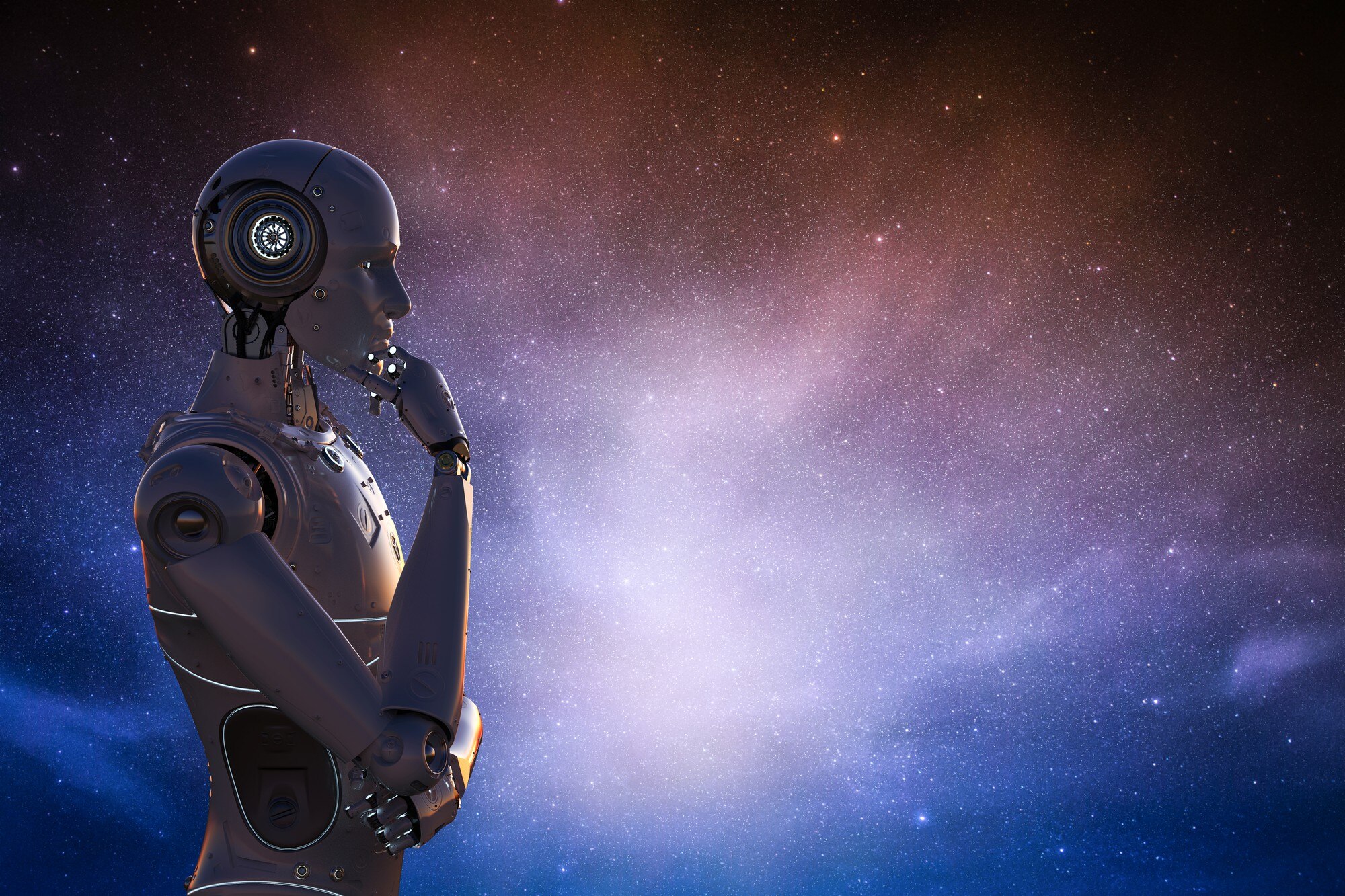
Enter the world of Terratron, where AI and robotics are the unsung heroes behind human survival in the galaxy. This narrative explores the intricate dance between human ambition and technological prowess.
Characters of the New Frontier
In Terratron: A New Frontier Vol-2, you’ll meet the characters who navigate this brave new world. Emperor Kenessit fights for unity amidst resistance. His battles are not just political—they’re deeply personal, rife with sacrifice and betrayal. Boris Drexel, caught in a web of power struggles, exemplifies the cost of leadership in turbulent times.
Captain Scott Majors embarks on a desperate mission to establish New Horizon, a colony orbiting the Antares star system. His journey is fraught with challenges, from alien incursions to internal conflicts. These are not just stories; they reflect the real stakes of space exploration—where every decision can lead to success or disaster.
Nathaniel Bernadeau’s Vision 🌌
Nathaniel Bernadeau crafts a vision where technology and humanity must coexist. His storytelling is more than fiction; it’s a glimpse into what’s possible. Through his narrative, he poses a fundamental question: Can we balance our technological advances with the human spirit? It’s a challenge we face today and will continue to grapple with as we push further into the cosmos.
Bernadeau’s universe is a tapestry of ambition and caution. It reminds us that while technology is a powerful ally, it’s our shared humanity that truly shapes our destiny. As you explore his world, you’re not just reading a story—you’re engaging with the potential reality of our future among the stars.
In conclusion, the future of space exploration is not just about reaching new worlds—it’s about how we get there. With AI and robotics, we’re not just imagining possibilities; we’re building them. As you ponder this future, remember: the longer we wait, the more chances we miss to redefine our place in the universe.


