
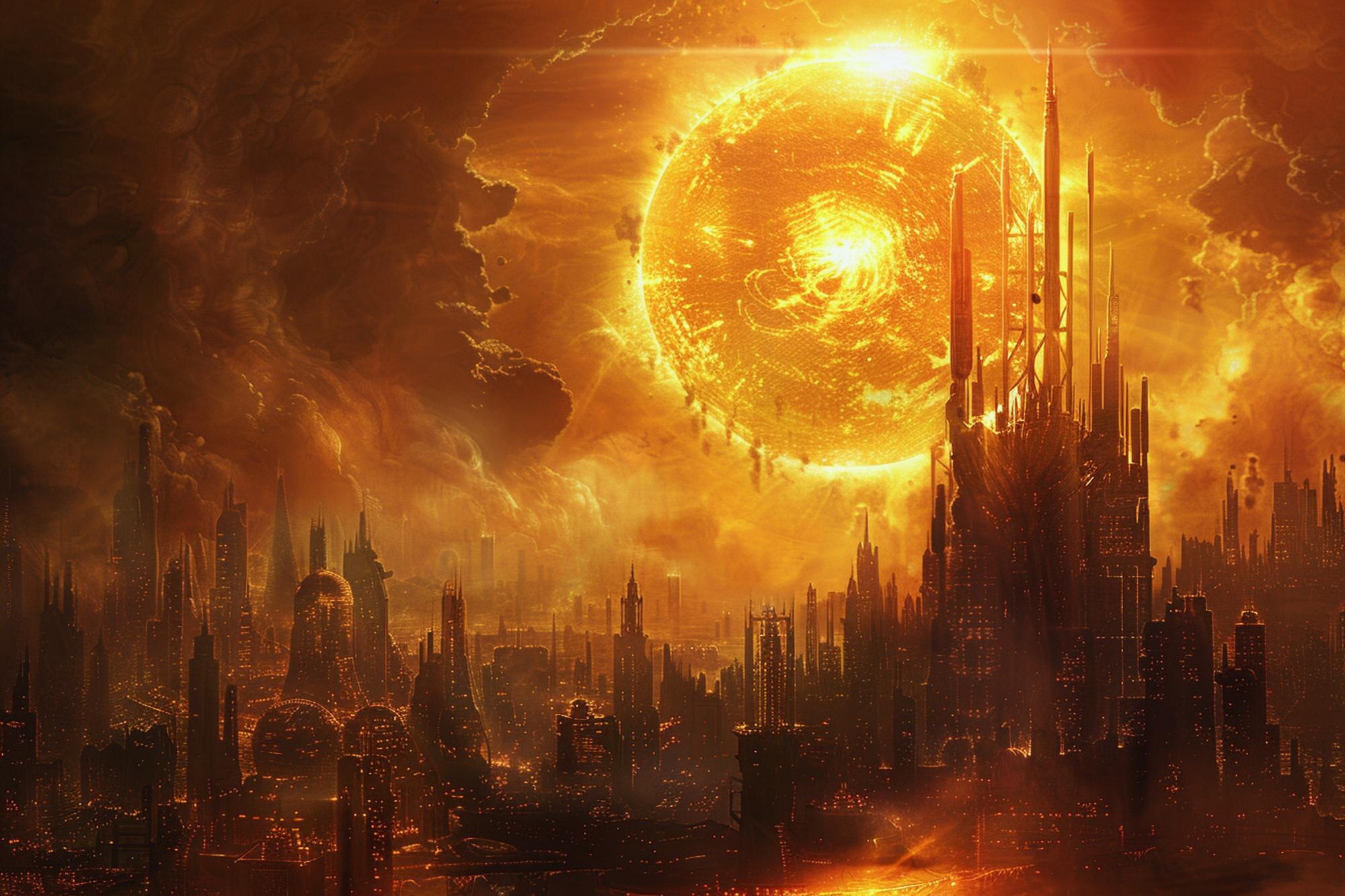
How Visionary Literature Like Terratron Shapes the Future of Space Exploration
Forget what you think you know about space exploration stories. Most science fiction paints distant futures as mere fantasy, but Terratron takes it a step further—showing how visionary literature can shape our real cosmic destiny. This series blends thrilling adventure with sharp ideas about terraforming and human survival, sparking conversations about future technology and space colonization you won’t want to miss. Ready to see how stories like this inspire tomorrow’s explorers? Learn more here.
The Role of Visionary Literature
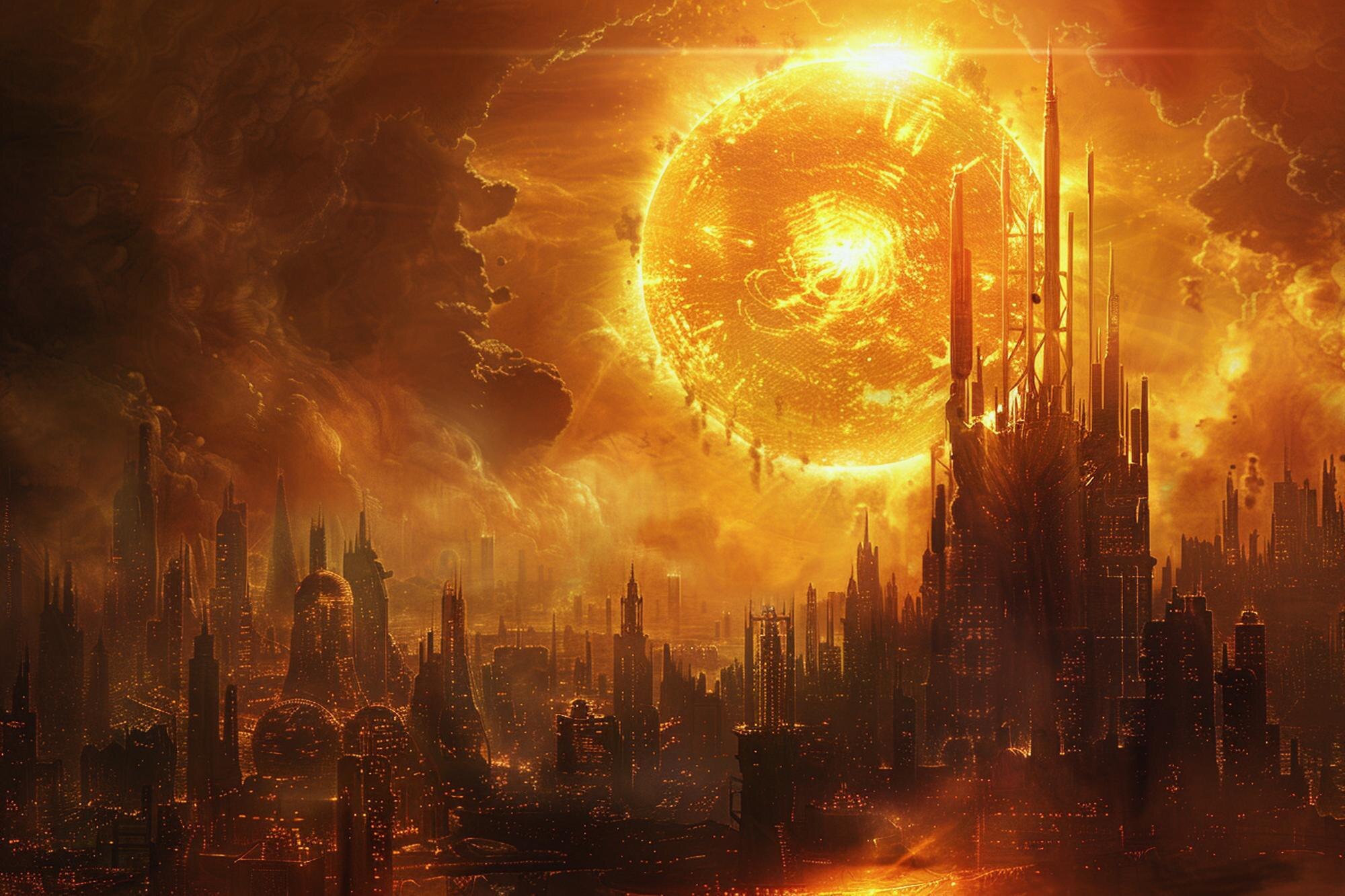
Visionary literature has an incredible ability to inspire and guide. It can spark dreams of new worlds and technologies. Terratron is a prime example of this power.
Inspiring Space Exploration
Imagine a world where stories ignite our desire to explore the stars. Science fiction does just that. By imagining futures filled with cosmic adventures, these tales motivate us to reach for the skies. Take, for instance, a story about a crew navigating the stars, facing unknown challenges. This can drive real-world engineers and astronauts to push beyond current limits.
-
Bold Ideas: Science fiction presents daring concepts.
-
Fuel for Innovation: Stories inspire new technologies.
-
Community Building: They create a shared vision for the future.
Most assume space is for scientists. But with visionary narratives, everyone becomes a dreamer of the cosmos.
Guiding Future Technology
Visionary literature doesn’t just inspire—it also guides. By painting pictures of future technologies, these stories influence real-world advancements. A novel might depict advanced space habitats. This, in turn, can inspire architects to design sustainable living solutions for our planet.
Consider the impact of a fictional tale where humans harness the sun’s energy in space. This could lead to breakthroughs in renewable energy here on Earth. The future isn’t just imagined—it’s actively shaped by these narratives.
-
Direct Influence: Concepts in books often become real-world tech.
-
Problem-Solving: Fiction tackles big challenges, offering creative solutions.
-
Visionary Leaders: Those inspired by stories often become tomorrow’s innovators.
Terratron: A Cosmic Blueprint
This series is more than a story; it’s a blueprint for our cosmic future. Terratron sets the stage for space exploration dreams.
Exploring Space Colonization
Space colonization is no longer just a fantasy. Terratron explores this concept deeply. Imagine humans building new homes on distant planets. This isn’t just a plot—it’s a roadmap for survival beyond Earth. Colonizing space offers solutions to Earth’s challenges, like overpopulation and resource scarcity.
In Terratron, characters face real dilemmas. Should they settle on Mars or venture further? These stories push us to consider the ethical and practical aspects of space colonization. It’s not just about survival; it’s about thriving in new environments.
-
Real Challenges: Stories present obstacles we may face.
-
Ethical Questions: They raise important discussions about our future.
-
Broad Appeal: These topics engage everyone, not just scientists.
Space isn’t just for astronauts—it’s for dreamers and thinkers alike.
Terraforming New Worlds
Ever wondered what it would take to make another planet habitable? Terratron delves into the art of terraforming. It’s a process that involves transforming alien landscapes into Earth-like environments. This could be our ticket to living among the stars.
Through detailed storytelling, Terratron shows the complexities of terraforming. It highlights both the promise and the perils. Could we really turn barren worlds into lush paradises? What about the ethical implications of altering other planets?
-
Complex Process: Terraforming involves altering climate and ecosystems.
-
Potential Risks: There are dangers involved in such transformations.
-
Inspiring Solutions: Fiction can offer insights into real-world applications.
The longer we wait, the more urgent these questions become.
Human Survival Beyond Earth
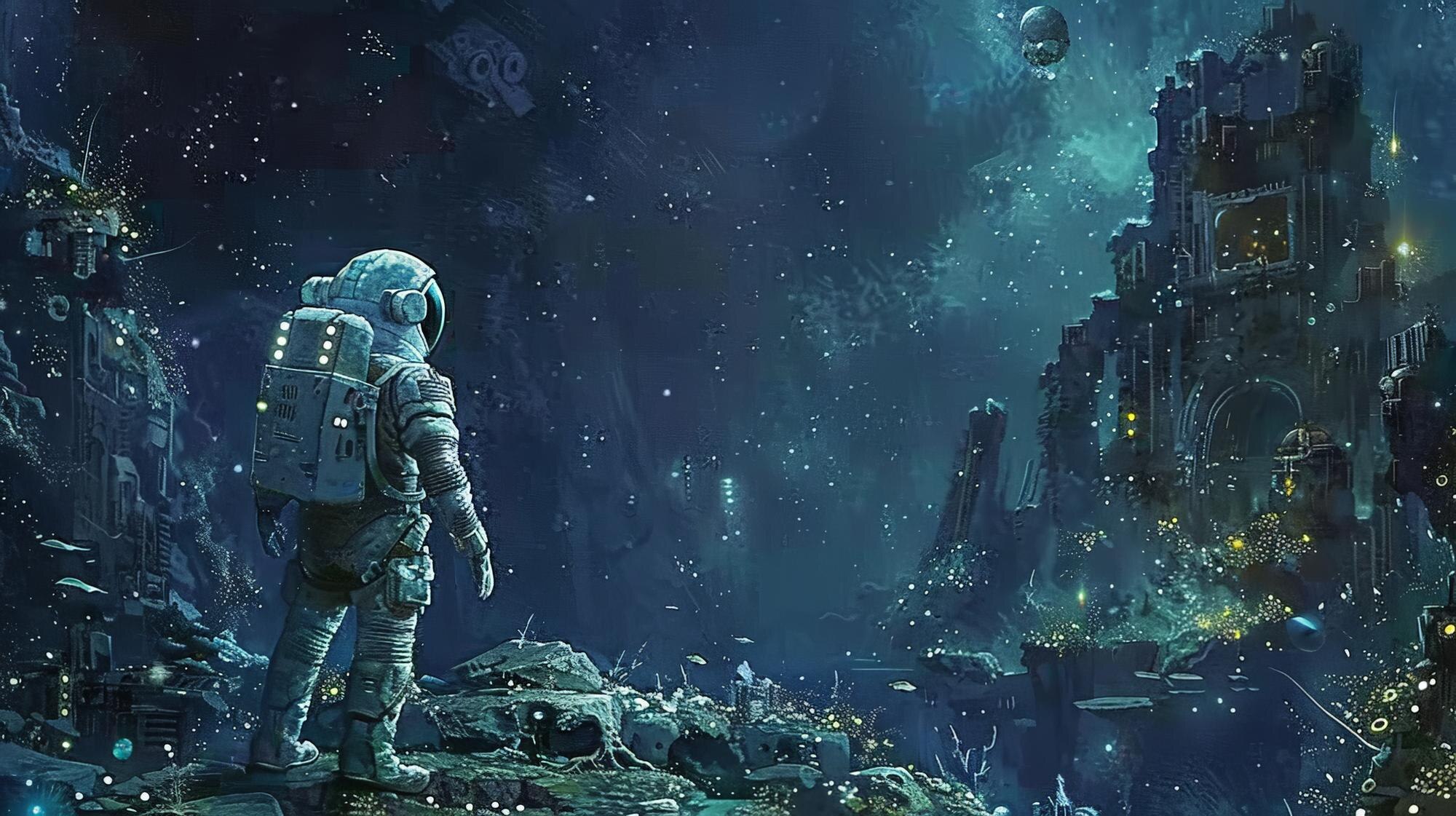
Surviving beyond Earth isn’t just a sci-fi dream. It’s a real possibility explored through visionary literature.
The Science Fiction Connection
Science fiction is a bridge between imagination and reality. It connects readers with ideas that seem fantastical but are grounded in scientific possibilities. Terratron does this beautifully. It blends thrilling narratives with plausible science, making us question what’s truly possible.
Consider a story where humanity must escape a dying Earth. This isn’t just a plot—it reflects genuine concerns about our planet’s future. Such tales encourage us to think creatively about survival strategies.
-
Engaging Narratives: Stories captivate and educate simultaneously.
-
Scientific Basis: Many ideas in fiction are rooted in real science.
-
Broadened Perspectives: Readers gain new insights into complex topics.
Most people think survival beyond Earth is science fiction. But with tales like Terratron, it feels within reach.
Imagining Future Possibilities 🌌
The future is a vast, uncharted territory. Visionary literature invites us to explore it. Through imaginative storytelling, we catch glimpses of what might be. Terratron opens doors to futures where humans thrive among the stars.
We see a future filled with potential. Characters navigate new worlds, using technology that seems magical yet plausible. These stories challenge us to envision our place in the universe.
-
Endless Potential: The universe is a canvas for human ingenuity.
-
Story-Driven Exploration: Tales guide us through uncharted possibilities.
-
Hope and Aspiration: They inspire us to dream bigger.
As we turn the last page, one thing is clear: the journey has just begun. Visionary literature isn’t just about telling stories. It’s about shaping the future of space exploration. With tales like Terratron, we’re not just dreaming about the stars—we’re preparing to reach them.
Get to know the creator of the Terratron universe


