

Unlocking the Mysteries of Terraforming: Could Mars Be Our New Home?
Forget everything you think you know about making Mars livable. The dream of terraforming has sparked endless debates—but could we truly reshape an entire planet to call home? The “Terratron” book by Nathaniel Bernadeau throws you into a world where space exploration meets survival, pushing humanity’s limits beyond Earth’s fading borders. Ready to explore what it really takes for Mars colonization to become more than science fiction? Learn more about the feasibility of terraforming Mars here.
The Science Behind Terraforming
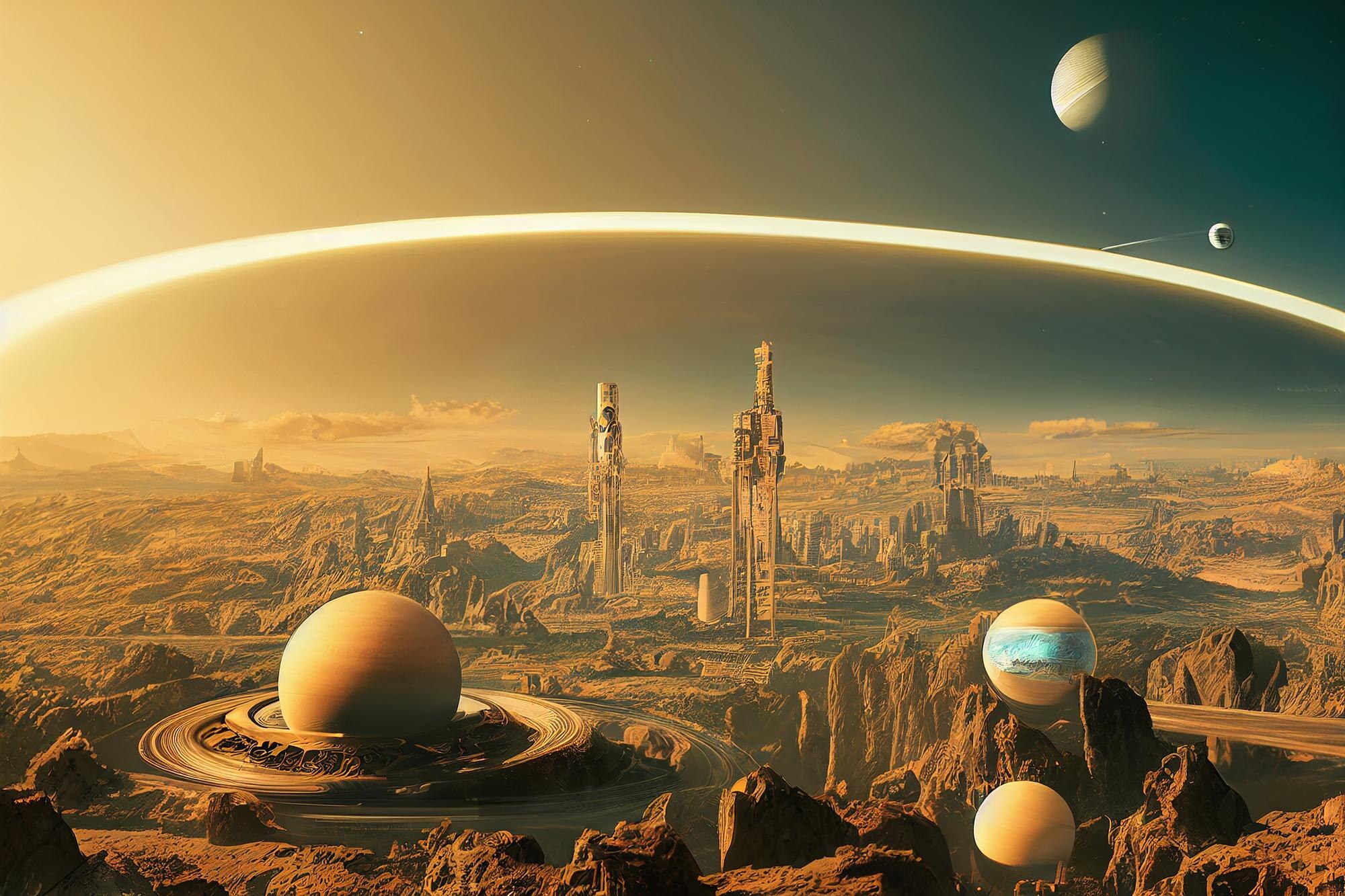
Before we imagine life on Mars, let’s explore the science that could take us there. Terraforming is the process of transforming a planet’s environment to resemble Earth’s. It might sound like science fiction, but it’s grounded in real scientific inquiry.
Key Methods and Technologies
Scientists have identified several methods to make Mars habitable. One approach involves releasing CO2 from the planet’s polar ice caps to thicken the atmosphere. This would raise the temperature, allowing liquid water to form. Another idea is to deploy giant mirrors to reflect sunlight onto Mars’ surface, warming it up. These technologies are still in development, but they hold promise. Discover the feasibility of these methods in this detailed study.
Microbial life could also play a critical role. By introducing specific bacteria, Mars’ soil might be enriched, enabling plant growth. This step is crucial for supporting human life and creating a self-sustaining ecosystem. The journey to a green Mars is complicated, but with each breakthrough, we get closer to the dream.
Challenges We Face
Turning Mars into a second Earth comes with its challenges. The thin atmosphere and lack of a magnetic field make it hard to keep the environment stable. Radiation is another major hurdle, as it poses risks to human health. Space dust storms, which can last for months, add another layer of difficulty. To learn more about these challenges, check out this resource.
Cost and time are critical factors. Terraforming a planet is an enormous financial undertaking, potentially taking centuries to complete. Most people think it’s a quick fix, but the reality is far more complex. These challenges push the boundaries of what we think is possible, yet they also inspire innovation.
Mars Colonization: A Bold Vision
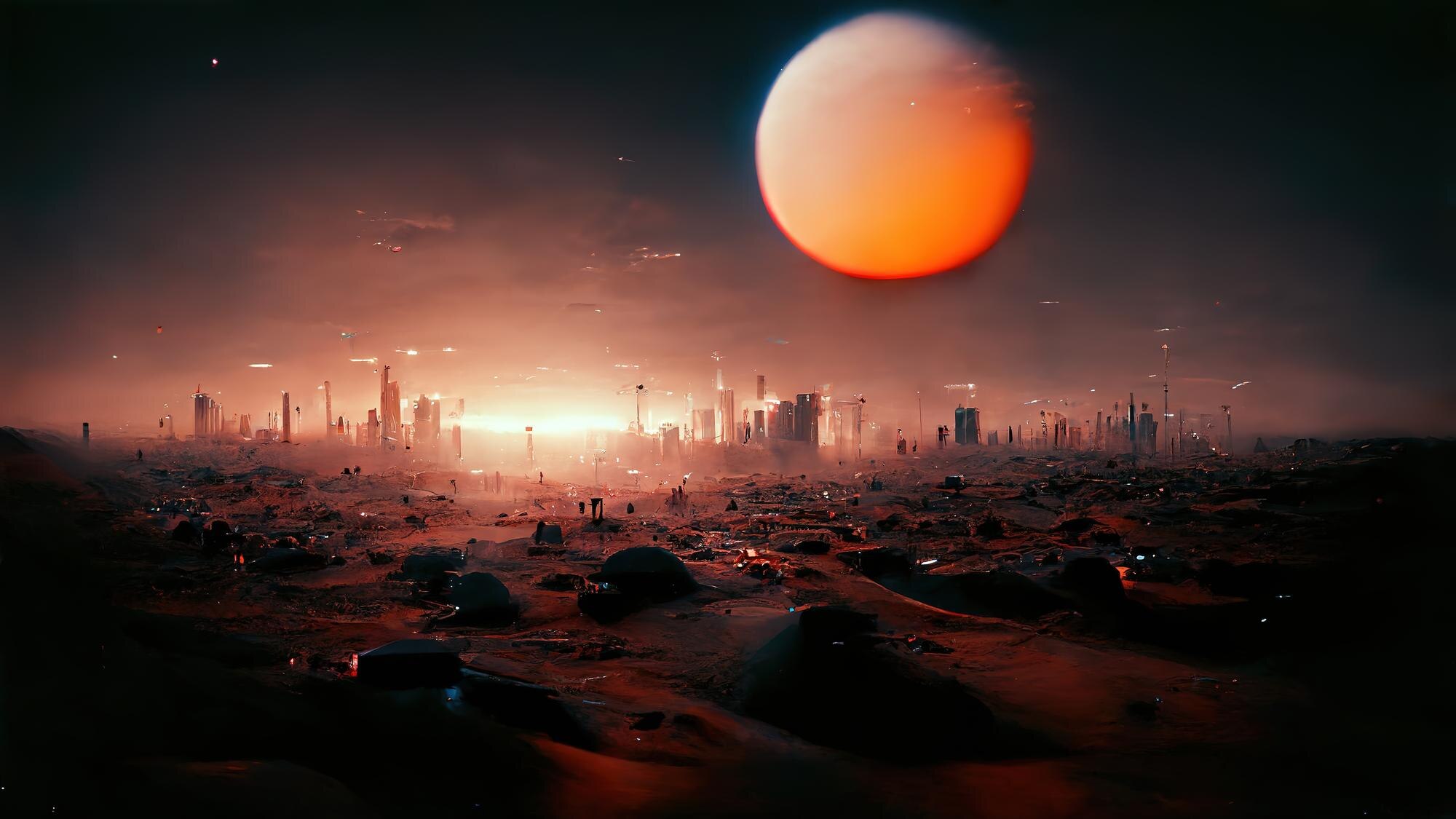
With the science in mind, let’s dream a little. Why choose Mars as our next home? The idea might sound audacious, but it offers unique opportunities for humanity.
Why Mars?
Mars has captivated our imagination for decades. Its proximity to Earth and similarities, like the length of a day and presence of water ice, make it an attractive candidate. These factors provide a foundation for potential colonization. Learn more about Mars’ allure here.
Mars’ soil, while challenging, contains elements vital for agriculture. This could help establish a food supply, crucial for sustaining life. Moreover, living on Mars allows us to test new technologies that could lead to advances on Earth. This mission isn’t just about survival—it’s about thriving in a new world.
Potential Benefits and Risks
Colonizing Mars could secure humanity’s future. By becoming a multi-planet species, we mitigate risks from Earth-bound catastrophes. Imagine a future where space travel is as common as flying. This vision fuels our desire to explore and expand.
However, the risks are significant. The psychological impact of life on Mars—being far from home in harsh conditions—can’t be underestimated. There are also environmental concerns, such as the ethical implications of altering another planet. These factors must be considered carefully. Explore these complex issues in this scientific article.
Exploring “Terratron” by Nathaniel Bernadeau
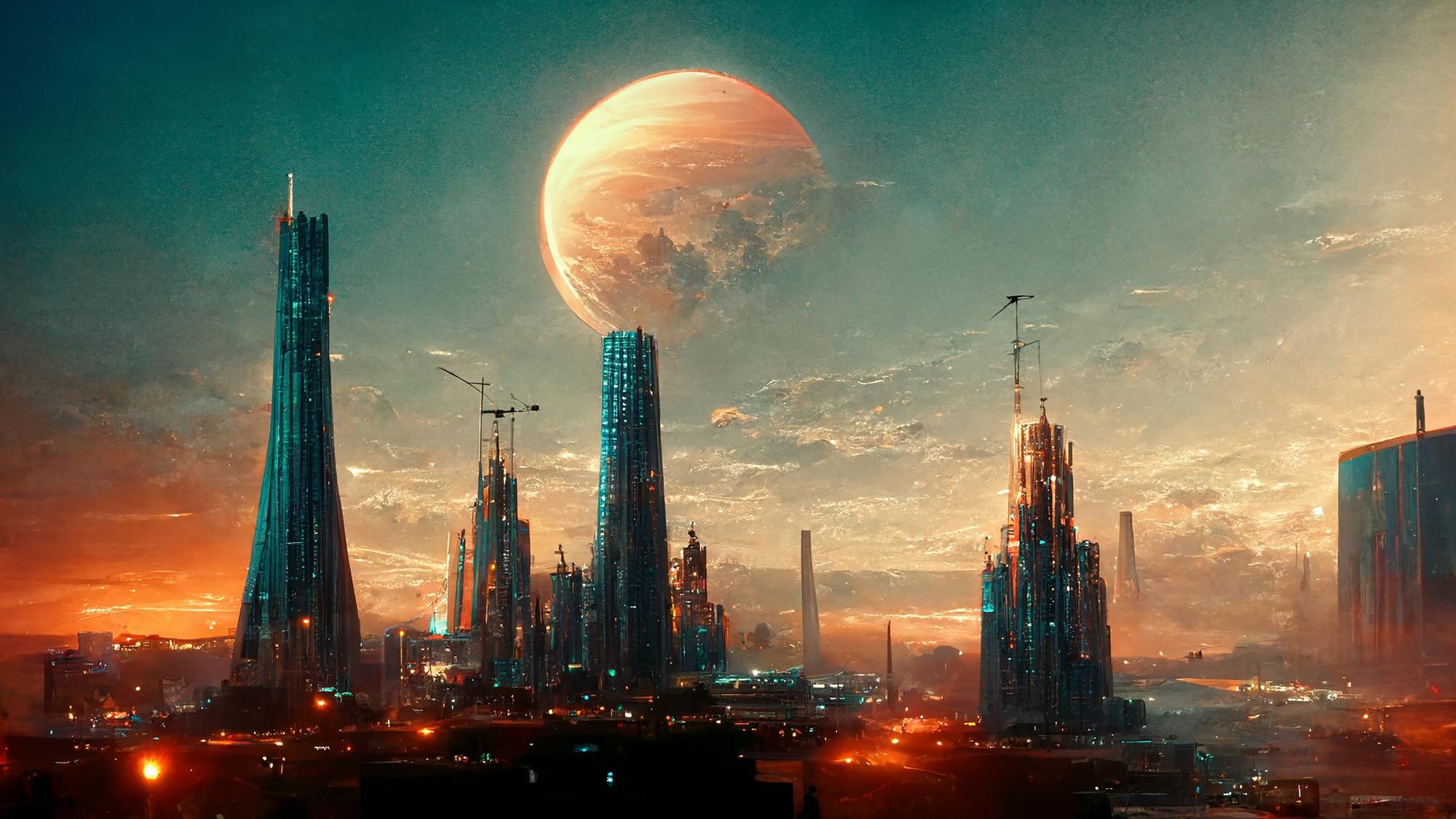
Now that we’ve laid the groundwork, let’s dive into the world of “Terratron.” Nathaniel Bernadeau’s work takes these scientific concepts and weaves them into an exciting narrative.
Themes of Space Exploration
“Terratron” explores the excitement and peril of human space exploration. The book paints a vivid picture of the future, where our species reaches beyond Earth’s borders. It challenges us to think about what we’re willing to sacrifice for progress. Most people assume space is the final frontier, but Bernadeau shows it’s just the beginning.
The novel delves into the complexities of building new societies on distant worlds. It highlights the technological and ethical challenges, making readers ponder the true cost of expansion. This tale isn’t just about space travel; it’s a reflection on human ambition and resilience. Discover more about the book’s themes here.
Humanity’s Survival and Future 🌌
At its core, “Terratron” is about survival. The story raises crucial questions: How far will we go to preserve our species? What does it mean to be human when living on another planet? These questions resonate deeply in today’s world, where the future is uncertain.
The book suggests that our survival depends on our ability to adapt and innovate. It inspires hope and encourages readers to dream big. The longer we wait, the more pressing these questions become. In this thrilling narrative, Bernadeau captures the essence of human spirit—courage, curiosity, and the relentless pursuit of knowledge.
In summary, while the challenges of terraforming and colonizing Mars are daunting, the possibilities are endlessly fascinating. “Terratron” invites you to explore these possibilities, sparking your imagination and igniting a passion for the stars.
Get to know the creator of the Terratron universe


